
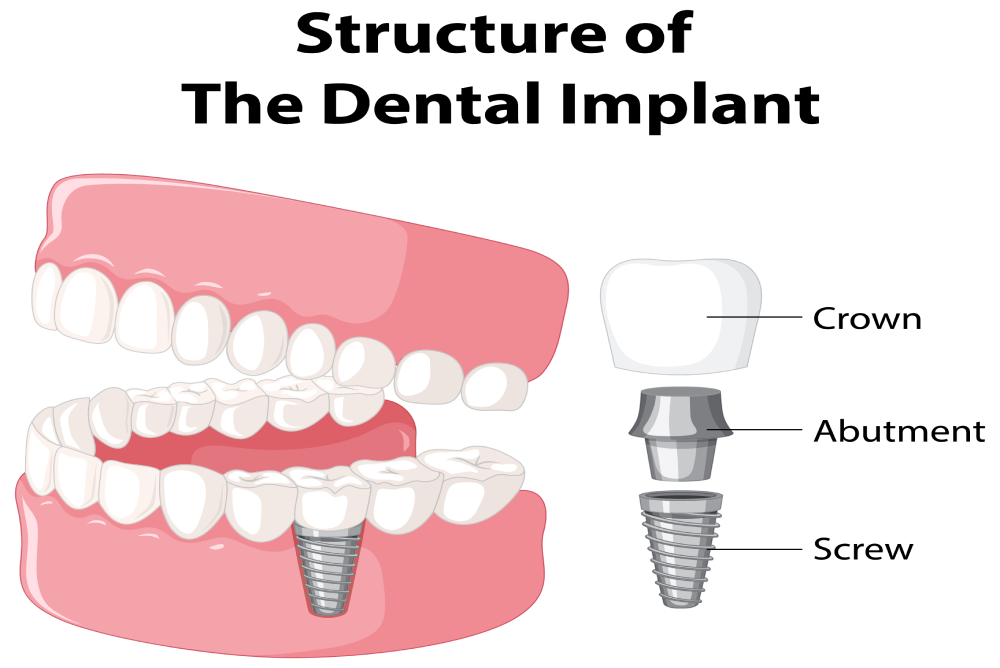
Dental crowns and dental bridges are both restorative dental treatments used to improve the appearance, function, and health of damaged or missing teeth. While they are both types of dental restorations, they serve different purposes.
A dental crown is a cap that is placed over a damaged or weakened tooth, restoring its shape, size, strength, and appearance. Crowns are commonly used to cover teeth that are decayed, cracked, or severely worn down.
A dental bridge is used to replace one or more missing teeth. It consists of one or more artificial teeth (pontics) that are anchored in place by dental crowns on the adjacent teeth. This helps fill the gap left by a missing tooth, improving both aesthetics and function.
Both crowns and bridges are custom-designed to fit your mouth, and they can be made from a variety of materials, including porcelain, ceramic, metal, or a combination, to suit your specific needs.
frequently asked questions
What is a dental crown?
A dental crown is a tooth-shaped "cap" placed over a damaged or weakened tooth. It restores the tooth’s shape, size, and strength, and can also improve its appearance. Crowns are used to protect teeth after procedures like root canals, repair large cavities, or cover teeth that are cracked or severely worn down.
What is a dental bridge?
A dental bridge is a restoration used to replace one or more missing teeth. It consists of artificial teeth (pontics) that are anchored by dental crowns on the adjacent natural teeth (abutment teeth). Bridges help restore the appearance and function of the smile, as well as prevent surrounding teeth from shifting into the gap.
Why would I need a crown or a bridge?
You may need a dental crown if you have: A tooth that is broken, cracked, or severely decayed. A tooth that has undergone a root canal. A tooth that is weak and needs protection (e.g., after a large filling). A tooth that requires cosmetic restoration for aesthetic reasons. You may need a dental bridge if you are missing one or more teeth, and the surrounding teeth are healthy enough to support the bridge. Bridges help: Fill the gaps left by missing teeth. Restore your ability to chew and speak clearly. Prevent remaining teeth from shifting or misaligning.
What materials are dental crowns and bridges made from?
Dental crowns and bridges can be made from various materials, including: Porcelain: Matches the color of natural teeth, making it ideal for visible teeth (e.g., front teeth). Porcelain-fused-to-metal (PFM): Offers strength and durability, suitable for back teeth. Gold: Highly durable and long-lasting, but less aesthetic, often used for back teeth. Ceramic: Similar to porcelain, it is often used for crowns and bridges in visible areas. Your dentist will help you choose the material that best suits your needs based on the location of the tooth, aesthetic preferences, and durability requirements.
What is the process for getting a dental crown or bridge?
The process generally involves two or more visits: First Visit: Examination and X-rays: Your dentist will examine the tooth and take X-rays to ensure there is no underlying infection. Tooth Preparation: The tooth is shaped and reduced in size so that the crown or bridge can fit over it. For a bridge, the adjacent teeth (abutments) are also prepared. Digital Impressions: Impressions of the teeth digitally to enhance accurary and reduce discomfort to the patients . Second Visit: Fitting the Crown/Bridge: Once your permanent restoration is ready, your dentist check the fit of the new crown or bridge. Cementing the Restoration: Once everything is perfect, the crown or bridge is cemented in place.
Do crowns and bridges hurt?
You may feel some pressure during the tooth preparation process, but it should not cause significant discomfort.
How long do dental crowns and bridges last?
With proper care, dental crowns and bridges can last anywhere from 10 to 15 years or more, depending on the materials used and your oral habits. The longevity of both restorations can be impacted by factors such as oral hygiene, the location of the restoration, and whether you grind your teeth or have other habits that could affect the restoration.
How do I care for my dental crown or bridge?
To extend the life of your crown or bridge: Brush and floss regularly: Maintaining good oral hygiene is key. Brush your teeth twice a day and floss daily, especially around the crown or bridge to prevent plaque buildup. Avoid hard foods: Avoid chewing on hard foods like ice, hard candy, or nuts that can damage the restoration. Wear a nightguard if needed: If you grind your teeth, your dentist may recommend wearing a nightguard to protect your restorations from wear.
Can I eat normally with a crown or bridge?
Yes, you can eat normally after your crown or bridge has been placed. However, it is recommended to avoid very hard, sticky, or chewy foods (like caramel or hard candy) immediately after placement until you are fully accustomed to your new restoration. After that, you should be able to eat a variety of foods without discomfort.
What happens if I don’t get a dental crown or bridge?
If you don’t get a crown for a damaged tooth or a bridge for a missing tooth, several problems can arise: Tooth decay can continue to damage the tooth, potentially leading to the need for a root canal or extraction. Tooth sensitivity may increase due to exposure of the inner layers of the tooth. Shifting teeth may occur if you have a missing tooth, leading to bite problems or misalignment. Difficulty chewing and speaking clearly may also result from missing teeth.
Can crowns or bridges be replaced?
Yes, crowns and bridges can be replaced if they become worn, damaged, or if the underlying tooth structure changes over time. In some cases, your dentist may recommend a replacement to ensure that your restoration continues to function properly.
Are there alternatives to crowns and bridges?
If a crown or bridge isn’t suitable for you, alternatives include: Dental implants: A long-term solution for replacing a missing tooth, where an artificial tooth root is placed in the jawbone, and a crown is attached to it. Partial dentures: A removable option for replacing missing teeth, especially when several teeth are missing. Conclusion Dental crowns and bridges are excellent solutions for restoring damaged or missing teeth, improving both your appearance and the functionality of your smile. With various materials and techniques available, your dentist will work with you to choose the best option for your specific needs. If you're considering a dental crown or bridge, it's essential to discuss your options with your dentist to ensure you get the best possible treatment for your oral health.
Conclusion
Gallery
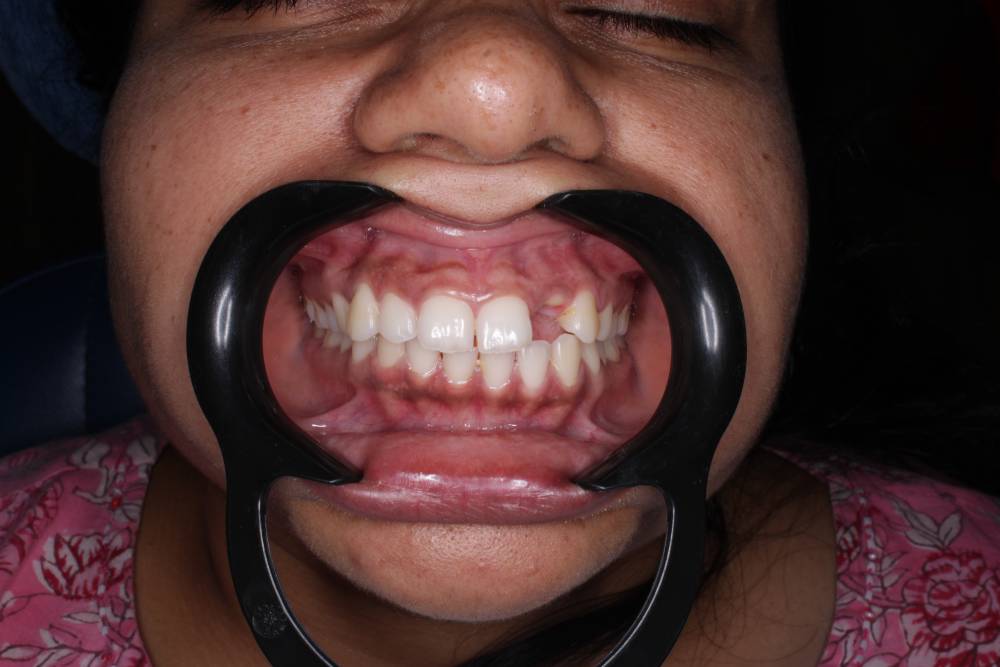
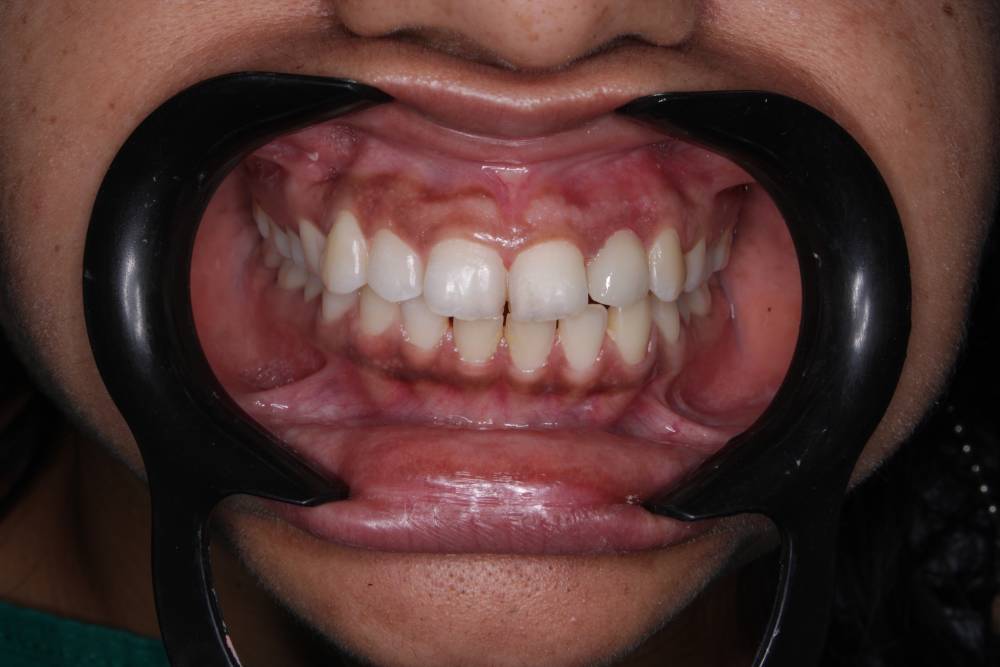
Crown and bridge
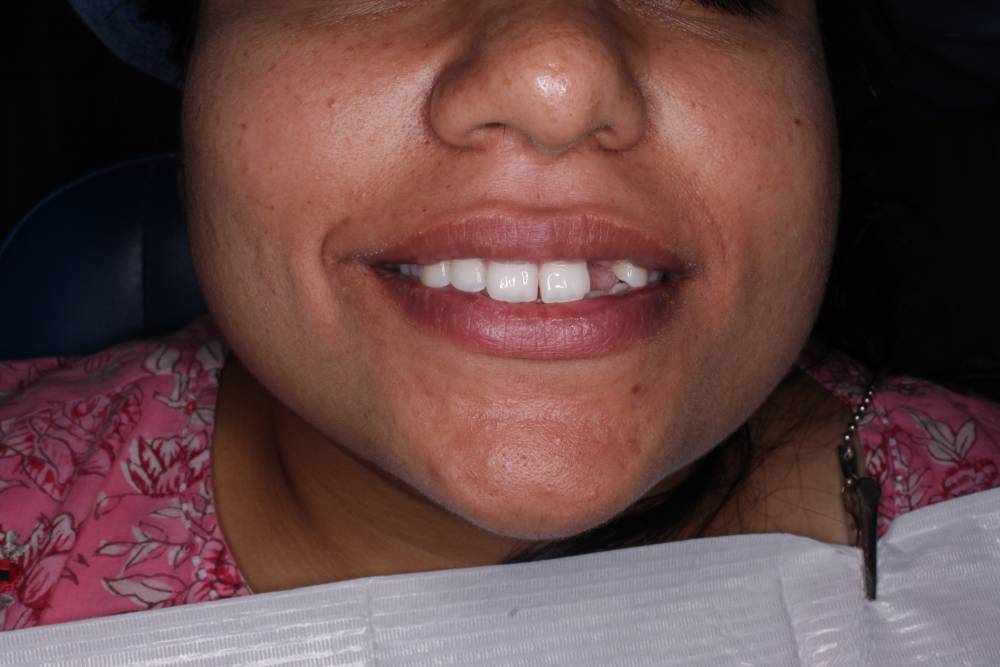
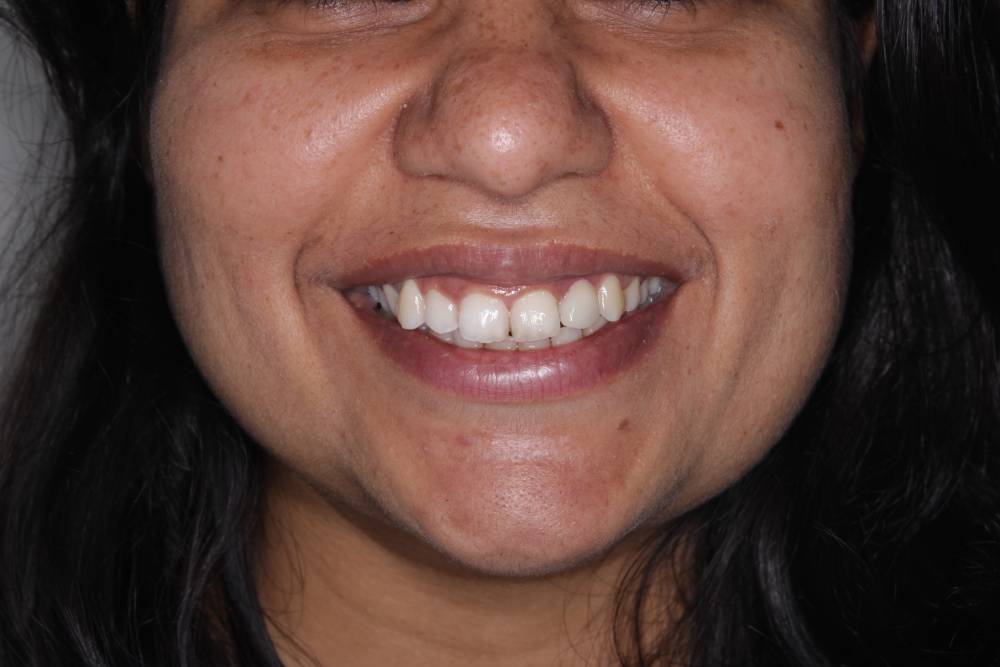
Crown and bridge
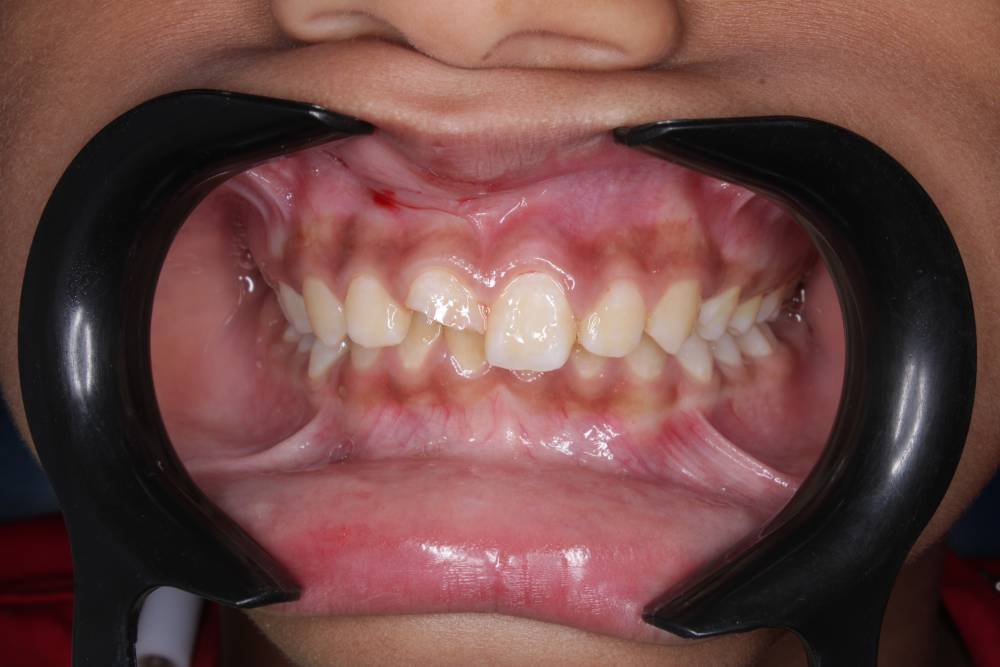
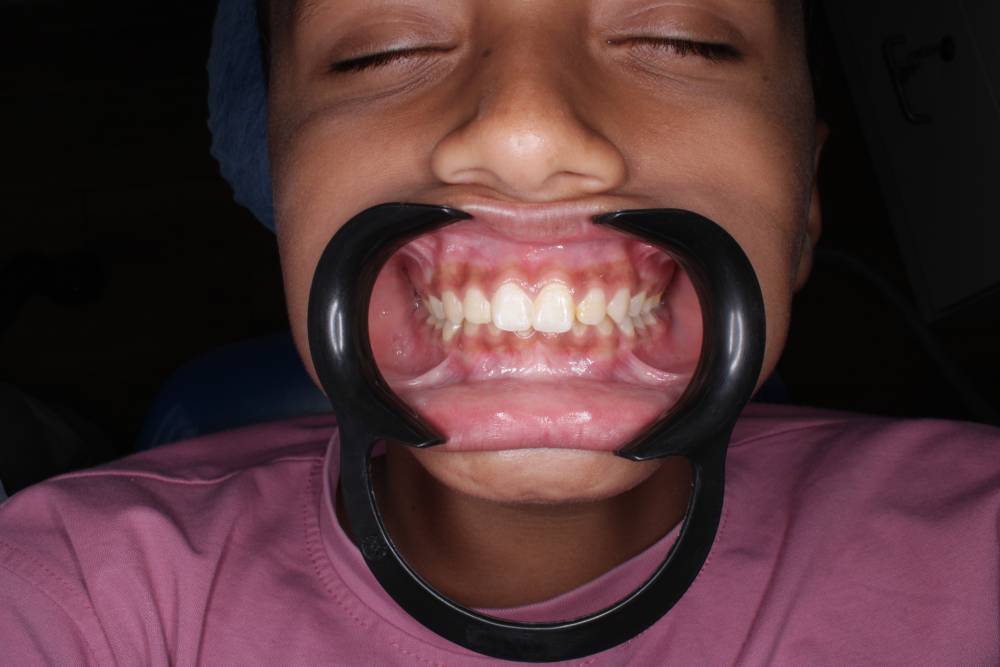
Crown and bridge
Before
After
Before
After
Before