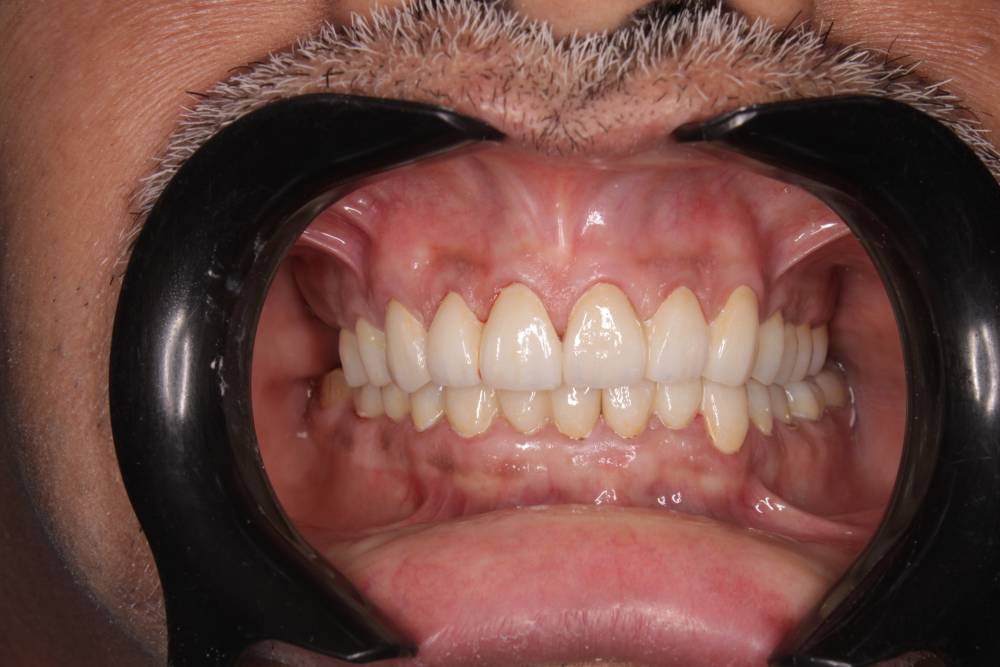
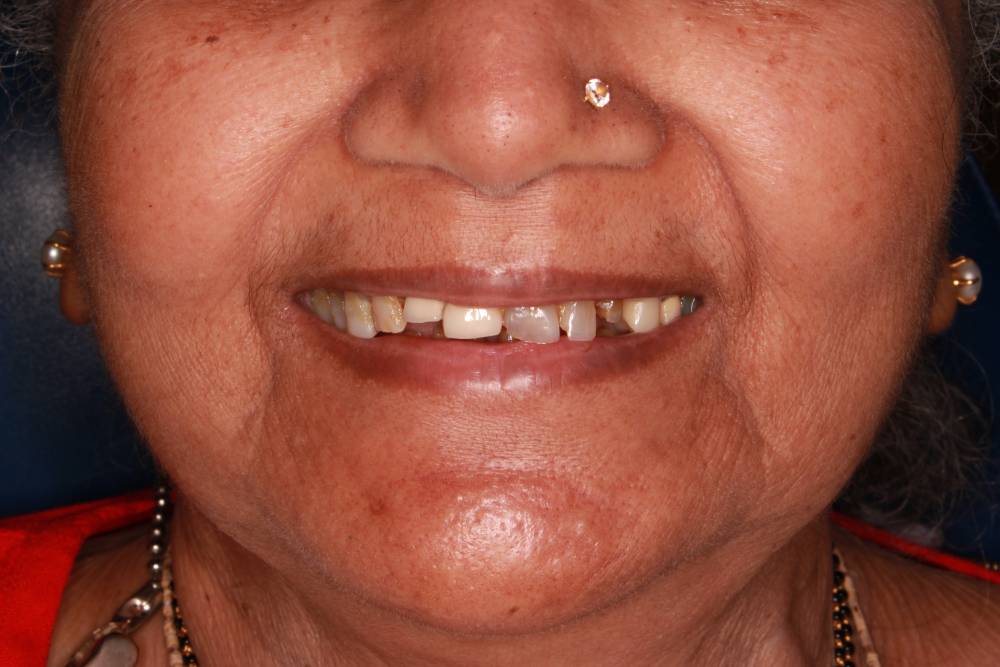
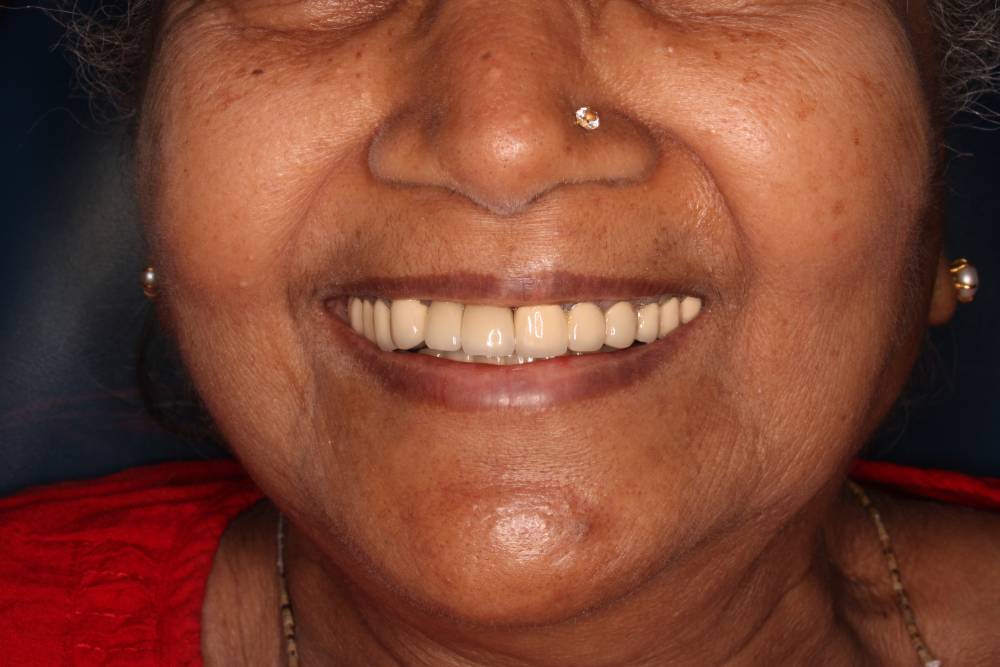
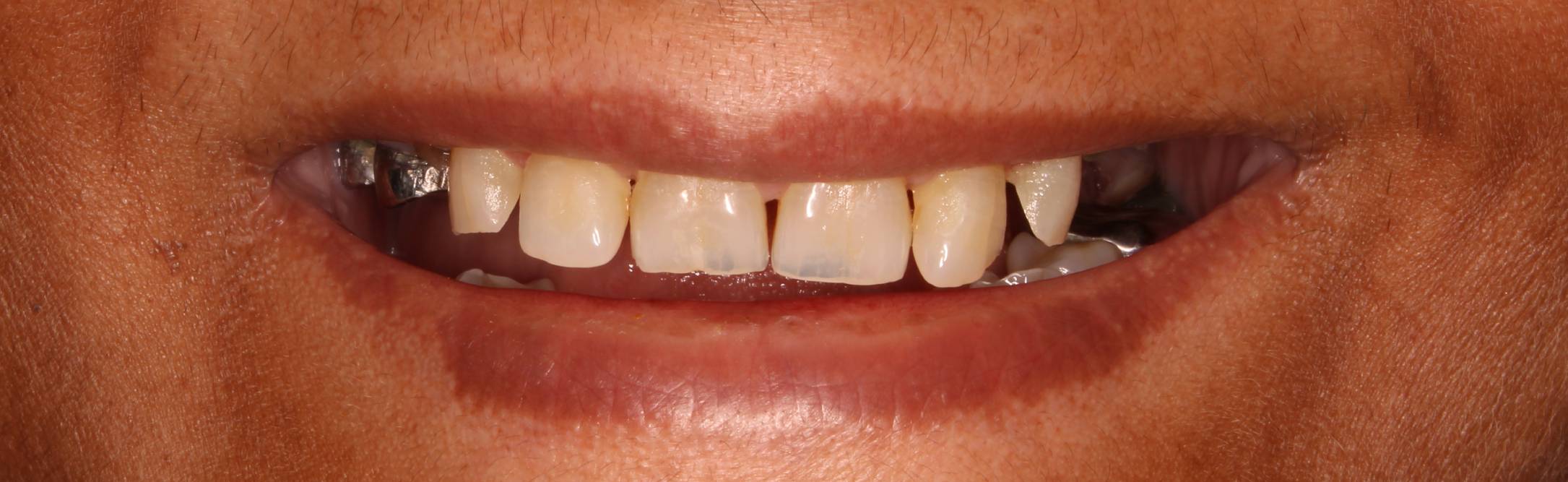
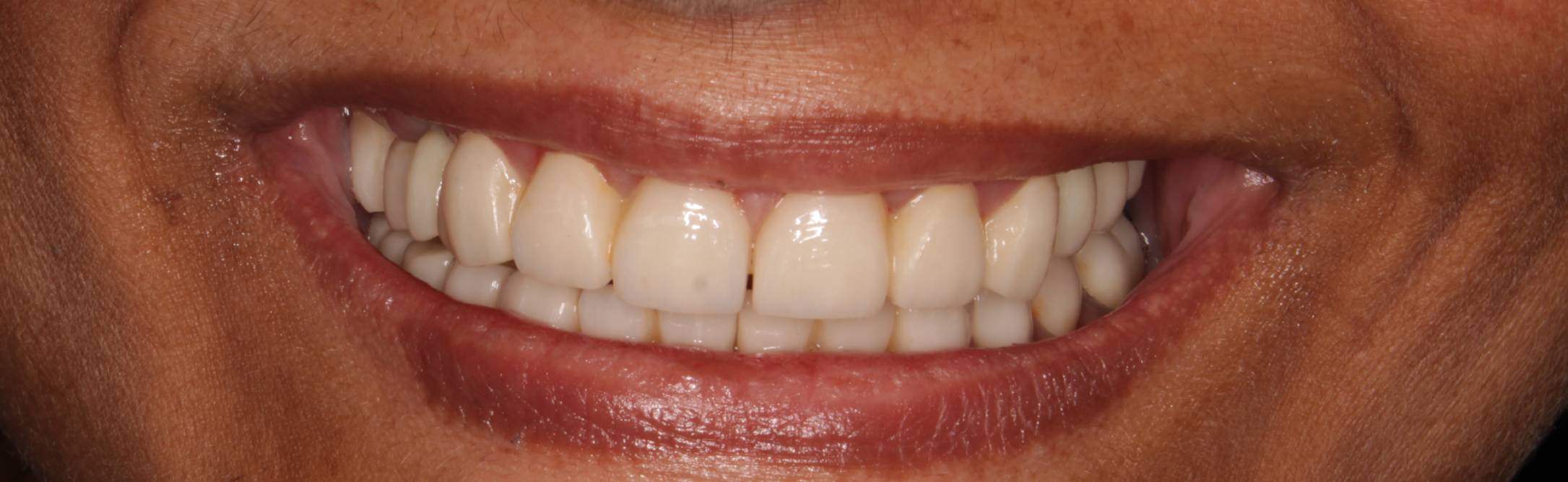
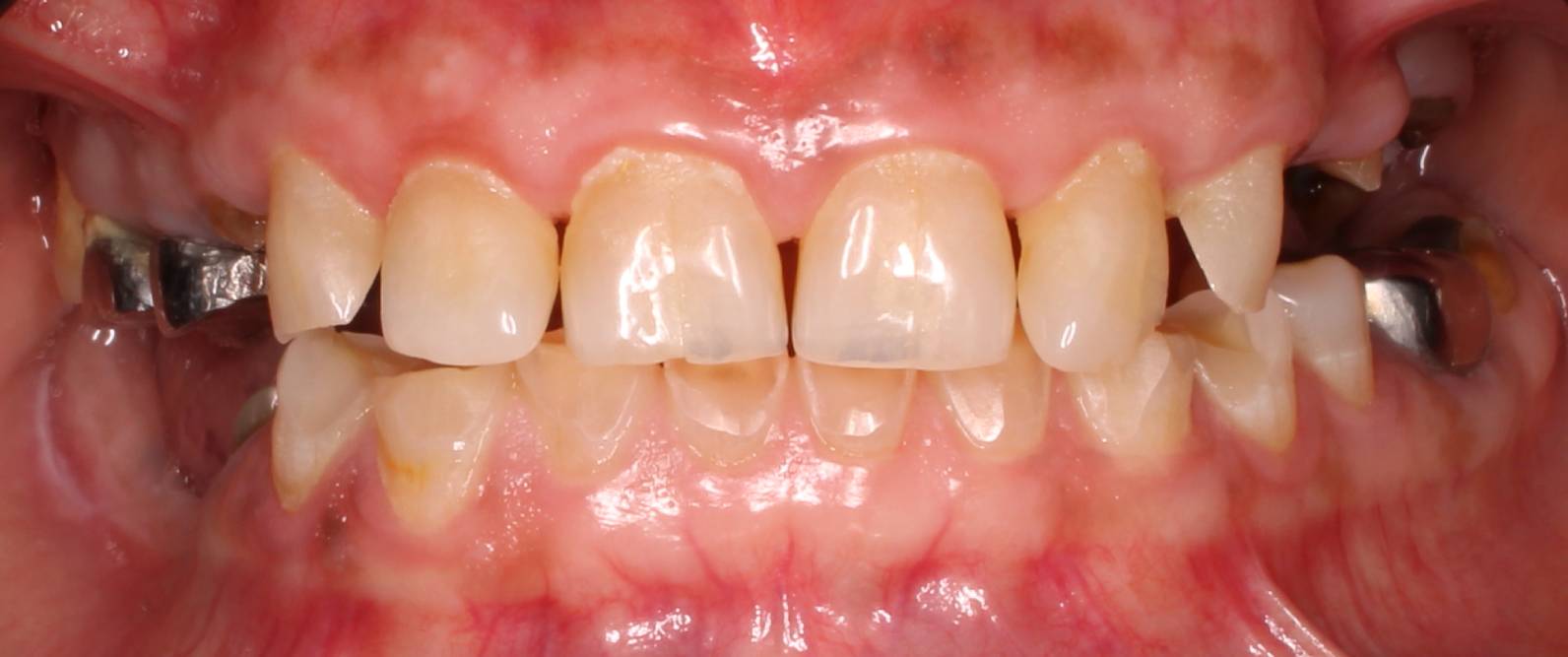
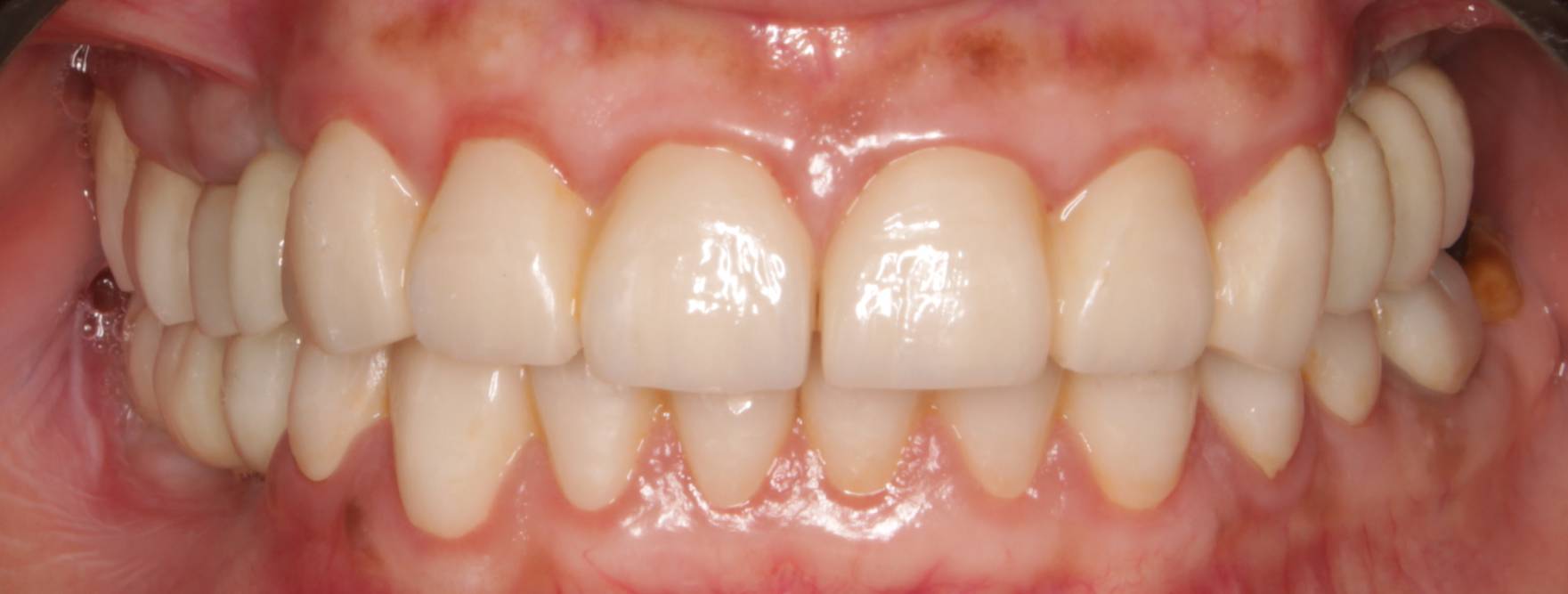
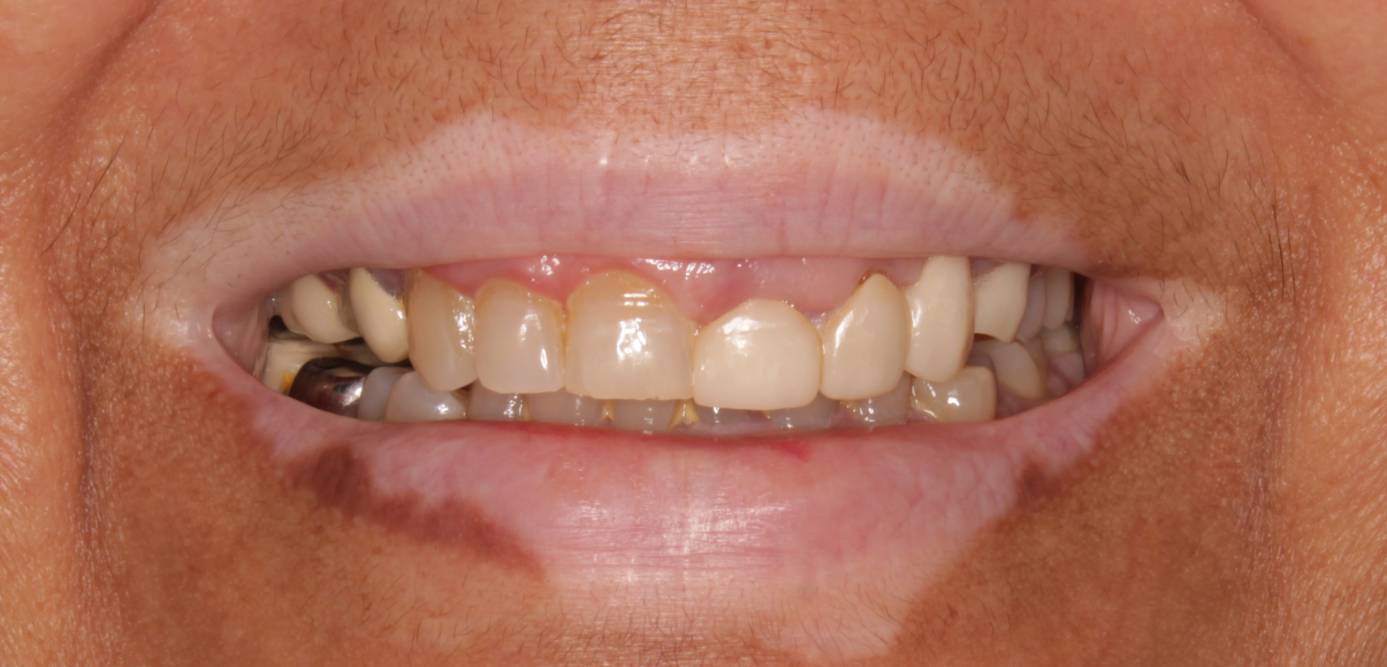
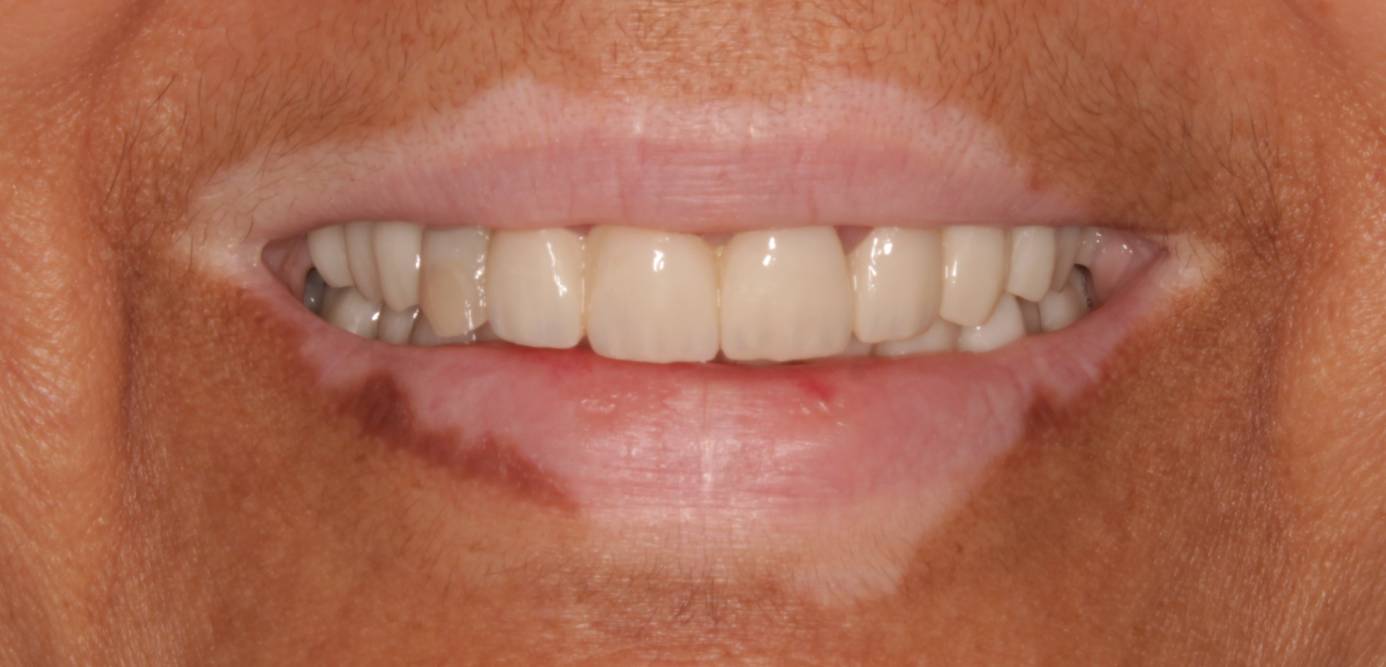
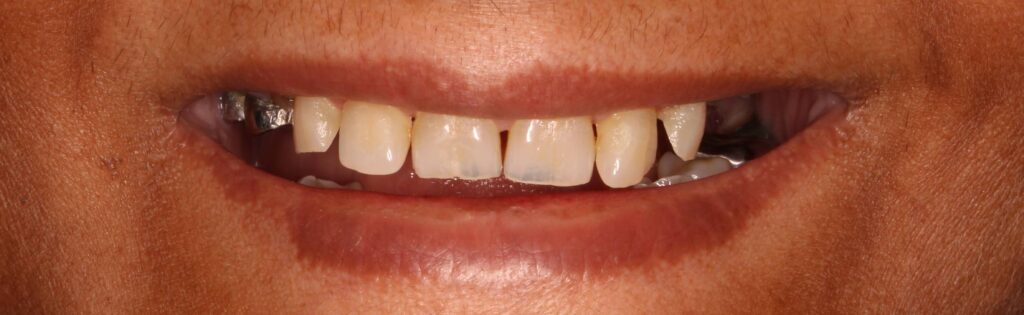
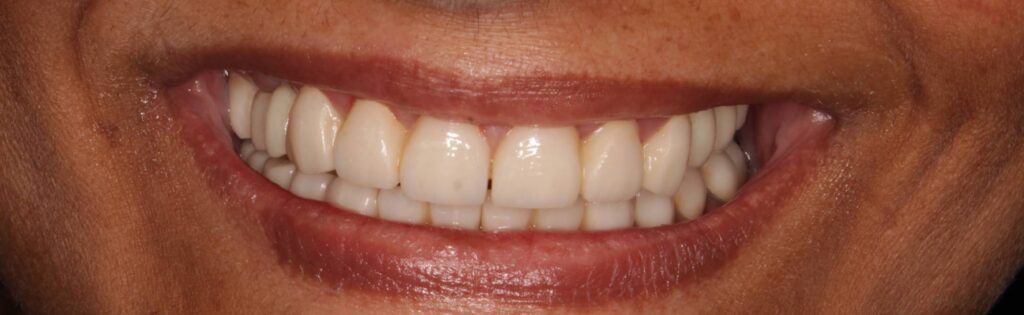
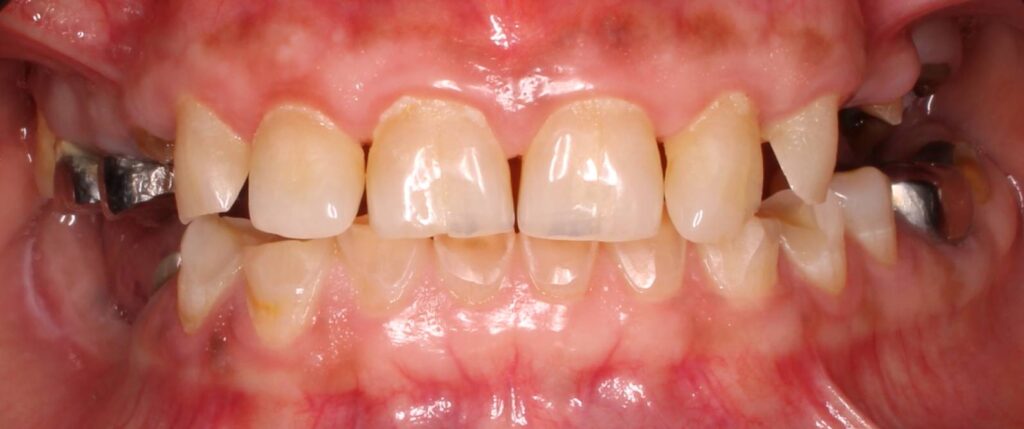
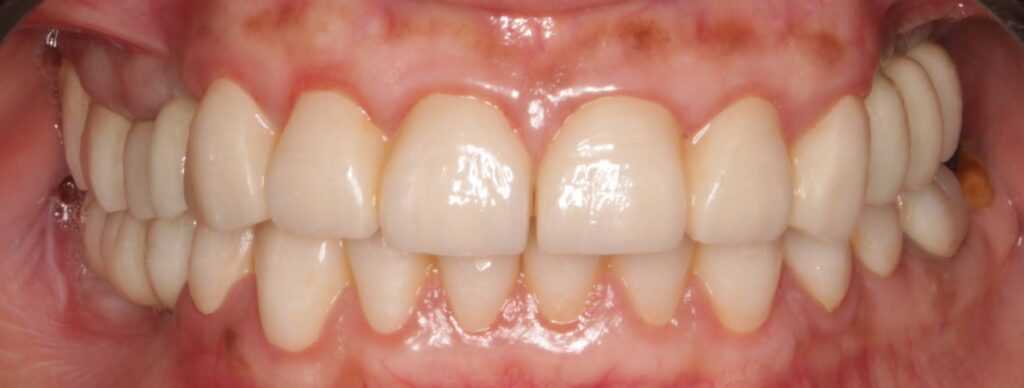
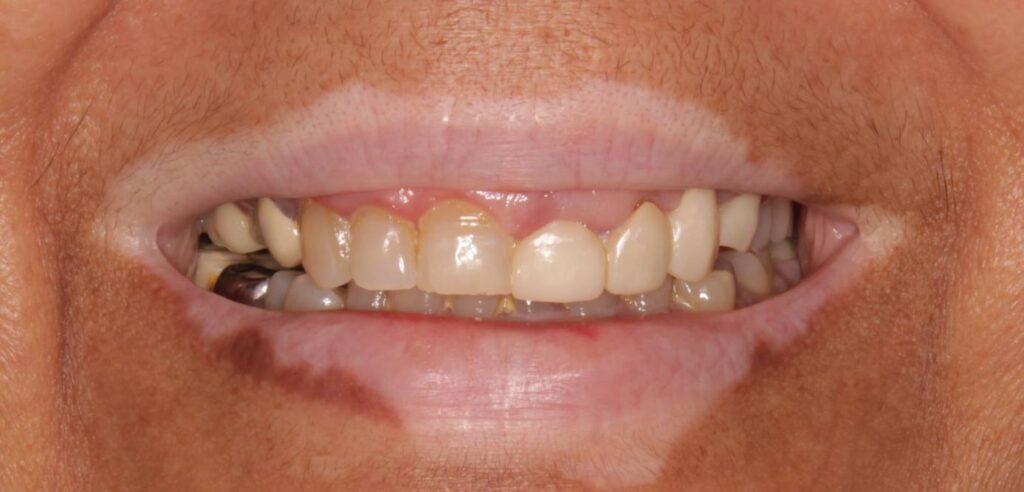
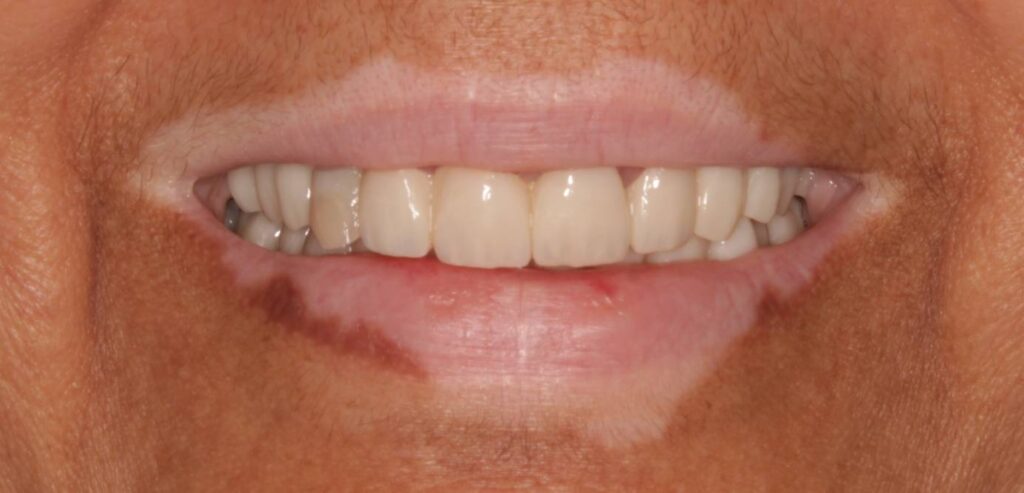
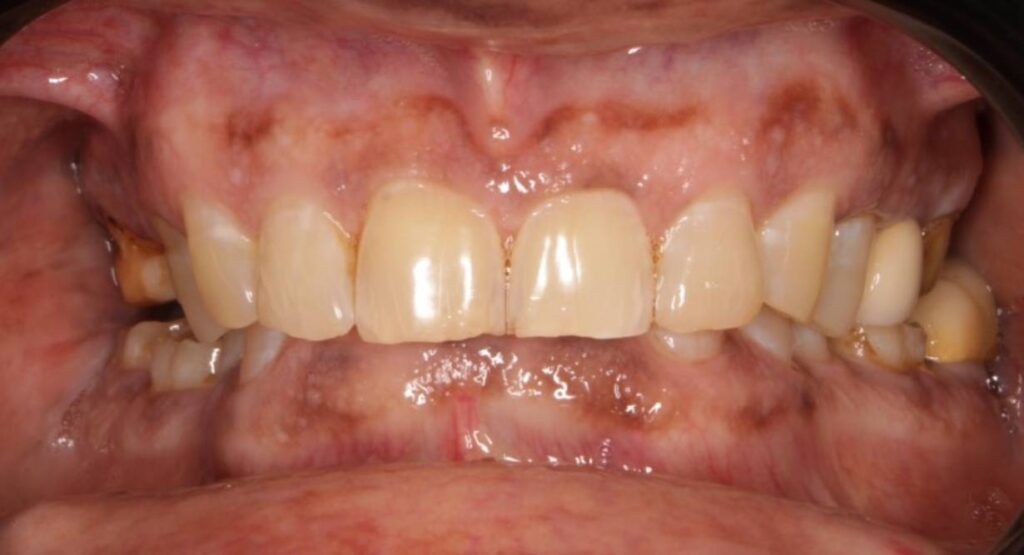
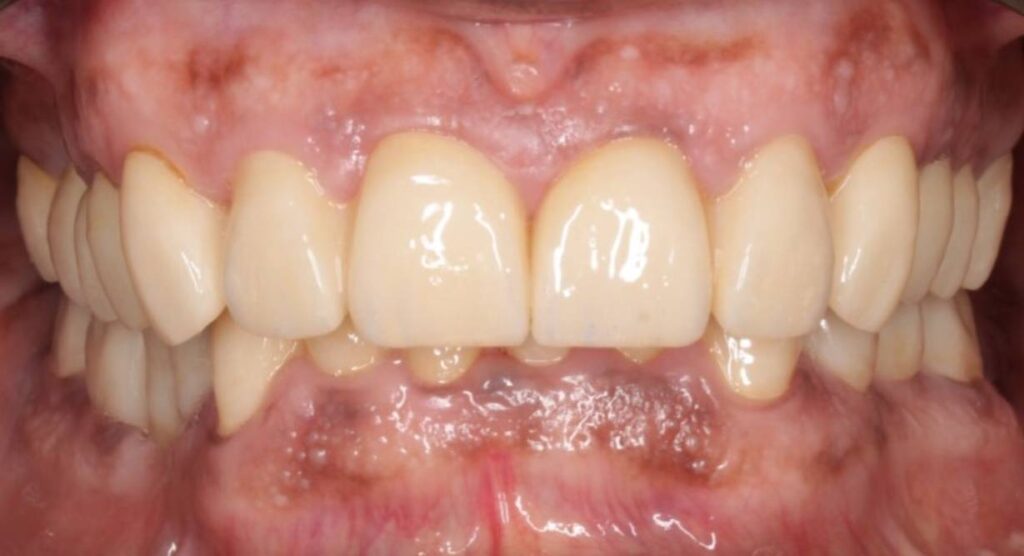
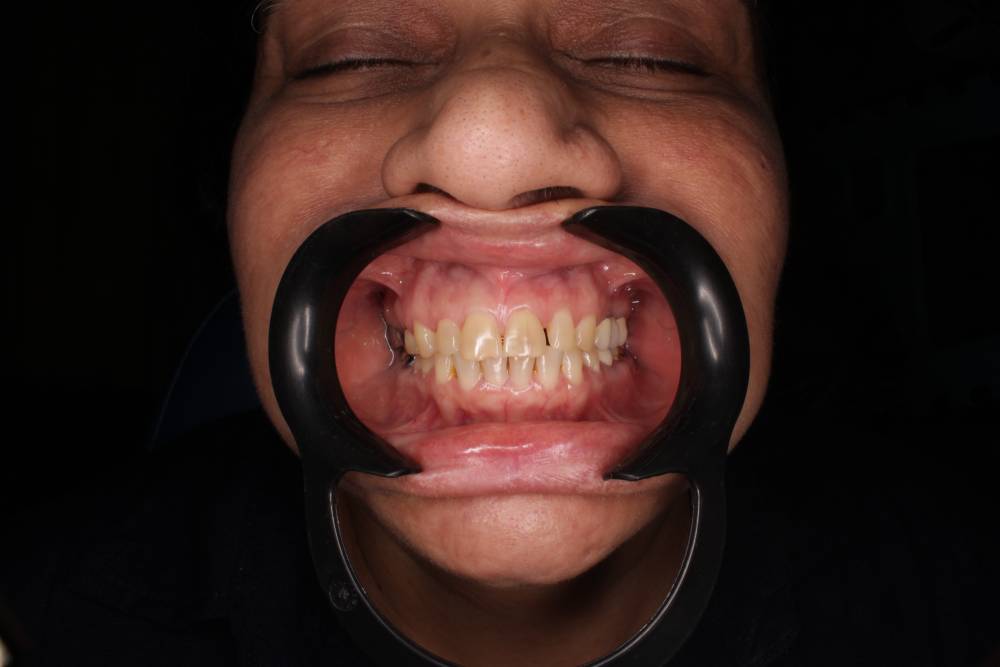
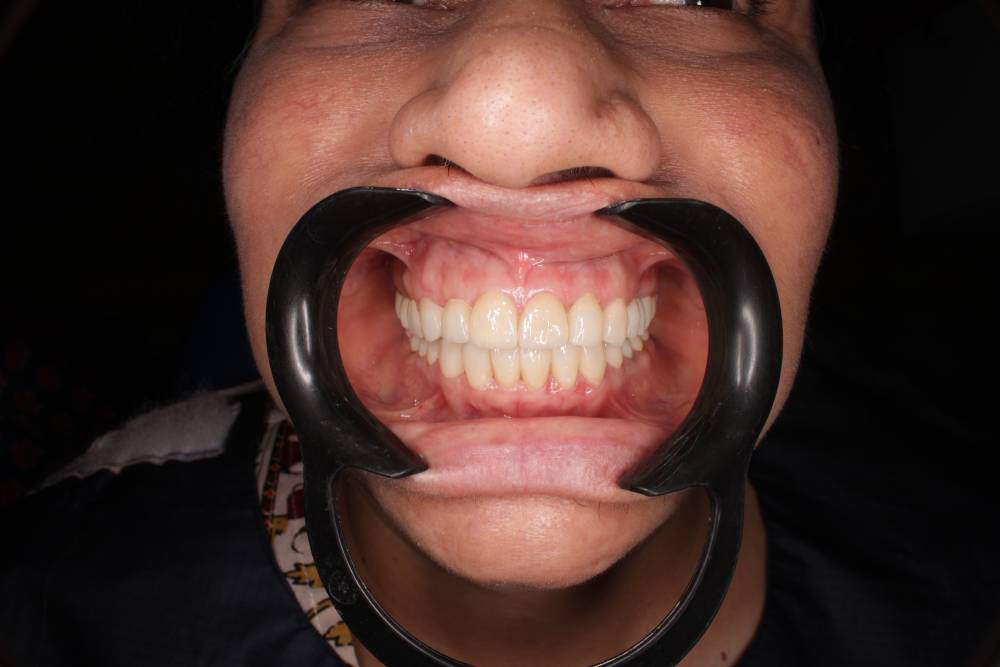
Full Mouth Rehabilitation, also known as a Full Mouth Reconstruction, is a comprehensive dental treatment plan aimed at restoring all or most of the teeth in both the upper and lower jaws. It is often required when a patient has multiple dental issues such as severe tooth wear, decay, missing teeth, bite problems, or jaw joint issues (TMJ). The goal of full mouth rehabilitation is to improve both the function and aesthetics of the teeth and gums, allowing for better chewing, speaking, and a more natural, confident smile.


This procedure may involve a combination of treatments, such as crowns, bridges, dental implants, veneers, orthodontics, and other advanced dental techniques. Full mouth rehabilitation is customized based on individual needs and the dentist’s evaluation.

frequently asked questions

Who needs Full Mouth Rehabilitation?

Patients who have significant dental issues such as widespread tooth decay, multiple missing teeth, worn-out teeth due to grinding, misaligned teeth, or damaged teeth from trauma may need full mouth rehabilitation. It's also beneficial for those with bite issues or TMJ disorders.

Full mouth rehabilitation often includes a combination of treatments like: Dental Implants: For replacing missing teeth. Crowns and Bridges: For restoring damaged or missing teeth. Veneers: For improving the appearance of stained, chipped, or misaligned teeth. Orthodontics: Braces or aligners to fix bite and alignment issues. Periodontal Care: Treatment for gum disease. TMJ Therapy: For jaw joint and bite problems.

The duration depends on the complexity of the treatment plan. Simple cases may take a few months, while more complex cases could require up to a year . Multiple visits and stages are often needed, especially if dental implants are involved.

Full Mouth Rehabilitation is a multi-step process that is tailored to each patient’s needs. The general steps involved include: Initial Consultation & Evaluation: The process begins with a thorough evaluation of your oral health, including X-rays, 3D imaging, and sometimes dental impressions. The dentist will assess your teeth, gums, bite, and jaw joint health to develop a personalized treatment plan. Digital Planning : Thorough Digital photography section followed by AI software which shows the after treatment photograph. Treatment Planning: Based on your unique dental needs, a customized treatment plan is developed. This plan will outline the sequence of procedures required, such as implants, crowns, veneers, or orthodontics, and how long the process will take. Trial Mock up Smile – Before even starting off the treatment we can show the final teeth trail in your mouth to visualize the shape and size of the teeth Addressing Existing Dental Issues: If you have conditions like gum disease, cavities, or damaged teeth, these are usually treated first to ensure your mouth is healthy before beginning more complex procedures. Restorative Procedures: The main phase of rehabilitation begins with procedures to restore function, such as placing dental implants, crowns, bridges, or fillings to replace or restore damaged teeth. This may also include orthodontic work to address bite and alignment issues. Aesthetic Enhancements: Once functional treatments are in place, cosmetic procedures such as veneers or teeth whitening can be done to enhance the appearance of your smile. This may also include gum contouring if needed. Follow-up Care & Adjustments: After the major procedures are completed, follow-up appointments will ensure that everything is healing properly. Your dentist will check for any discomfort, make adjustments if needed, and monitor the long-term results of your rehabilitation.

Most patients experience minimal pain during the procedure, especially with modern anesthesia techniques. After the procedure, some discomfort, swelling, or soreness may occur, but it can typically be managed with over-the-counter pain relief and proper care.

The cost of full mouth rehabilitation varies depending on the complexity of the treatment, the materials used, and the number of procedures required. However, the cost is an investment in long-term oral health, and financing options may be available.

Improved Function: Restores the ability to chew, speak, and bite properly. Enhanced Appearance: Provides a more natural, youthful smile. Increased Comfort: Resolves issues like jaw pain, headaches, and tooth sensitivity. Long-Term Durability: Using high-quality materials ensures lasting results. Improved Self-Confidence: A better smile often leads to a boost in self-esteem.

Yes, one of the goals of full mouth rehabilitation is to correct bite problems. This is done by carefully assessing how your upper and lower teeth align and making necessary adjustments through crowns, veneers, or even orthodontics.

Your dentist will conduct a thorough examination, including X-rays and possibly 3D imaging, to assess the health of your teeth, gums, and jawbone. You may need to undergo any necessary dental cleanings or treatments for gum disease before starting your rehabilitation.

Recovery times vary depending on the procedures involved. For example, if implants are placed, it may take a few months for the implant to fuse with the bone. Soft tissues typically heal within a few days to a week.

Conclusion

Full Mouth Rehabilitation is a transformative dental procedure designed to restore both the health and aesthetics of your smile. If you’re experiencing significant dental issues, a consultation with a qualified dentist can help you determine if this comprehensive treatment is right for you. Whether you’re looking to address functional problems or enhance your smile’s appearance, full mouth rehabilitation can provide a customized solution to improve your overall oral health and quality of life.
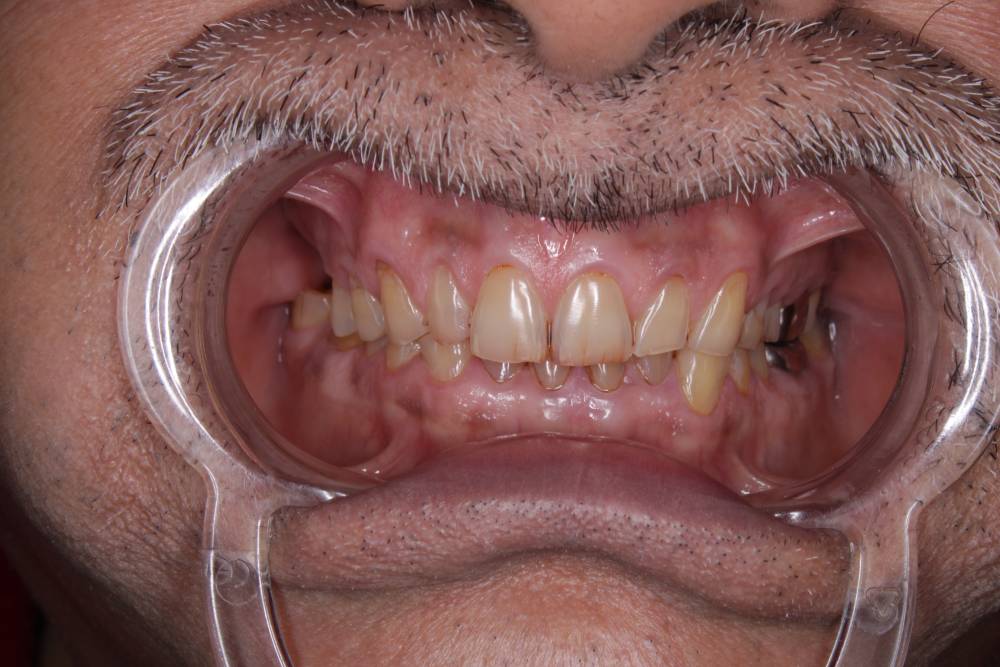
Gallery

Full mouth rehabilitation

Full mouth rehabilitation

Full mouth rehabilitation

Full mouth rehabilitation

Full mouth rehabilitation

Before

After

Before

After

Before

After

Before

After

Before

After

Before

After

Before

After