
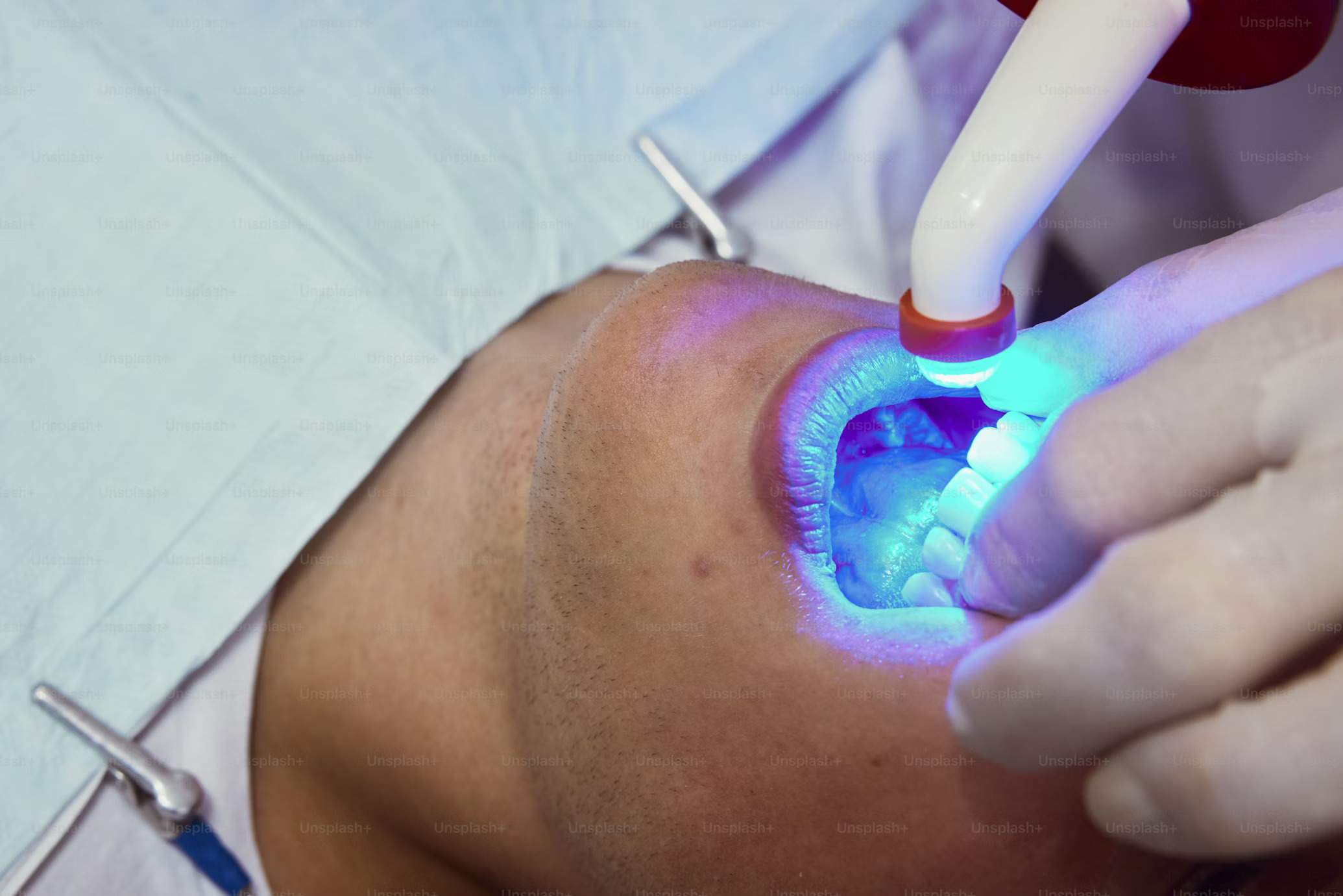
Teeth whitening is a procedure that effectively lightens and brightens teeth by removing stains and discoloration from the tooth surface. This procedure transforms a dull-looking smile into a bright, luminous one.
frequently asked questions
What is the need for Tooth Whitening?
Teeth can become discolored due to various reasons such as the consumption of tea, coffee, beverages, tobacco, smoking cigarettes, certain medications, and high intake of fluoride. Even with regular brushing, teeth may become yellow, and tooth whitening procedures help in achieving the desired pearly white smile. Teeth whitening is an easy and painless procedure to achieve the smile of your dreams.
What are the steps for getting Tooth Whitening done?
First, we take a photograph of your teeth to determine the existing shade. Cleaning is performed to remove stains or food stuck on the teeth. Gums are then covered with a protective barrier. An internationally standardized whitening agent is applied and kept for 40-60 minutes under a specialized light, which enters and lightens the tooth shade.
How long does Tooth whitening last?
It typically lasts from 1-3 years depending on how well you take care of your teeth. The effect may last less if you consume more staining foods.
What care should be taken after tooth whitening?
This procedure may cause sensitivity, which is normal for a few days. Avoid consuming staining foods for a few days. Apply desensitizing toothpaste if needed.
How much whitening can I expect for my teeth?
The degree of whitening depends on the condition of your tooth structure. However, you can expect to lighten by 2-3 shades from your original shade.
What are the risks involved with Teeth Whitening?
This procedure does not have any significant risks associated with it; however, some people may experience sensitivity for a few days. Teeth whitening is not advised for pregnant women.
What is the post whitening care needed?
Avoid Staining Foods and Beverages: Limit consumption of dark-colored foods and drinks such as coffee, tea, red wine, and berries, which can stain teeth. Quit Smoking: Smoking can quickly stain teeth and diminish the results of whitening treatments. Quitting smoking can help maintain a brighter smile and improve overall oral health. Maintain Good Oral Hygiene: Brush your teeth at least twice a day with a fluoride toothpaste and floss daily to remove plaque and prevent new stains from forming. Avoid Acidic Foods and Drinks: Acidic foods and beverages can weaken enamel and make teeth more susceptible to staining. Limit consumption of citrus fruits, sodas, and acidic snacks. Follow Dentist's Recommendations: Follow any specific post-whitening instructions provided by your dentist, such as avoiding certain foods or using additional whitening products.
Conclusion
Gallery
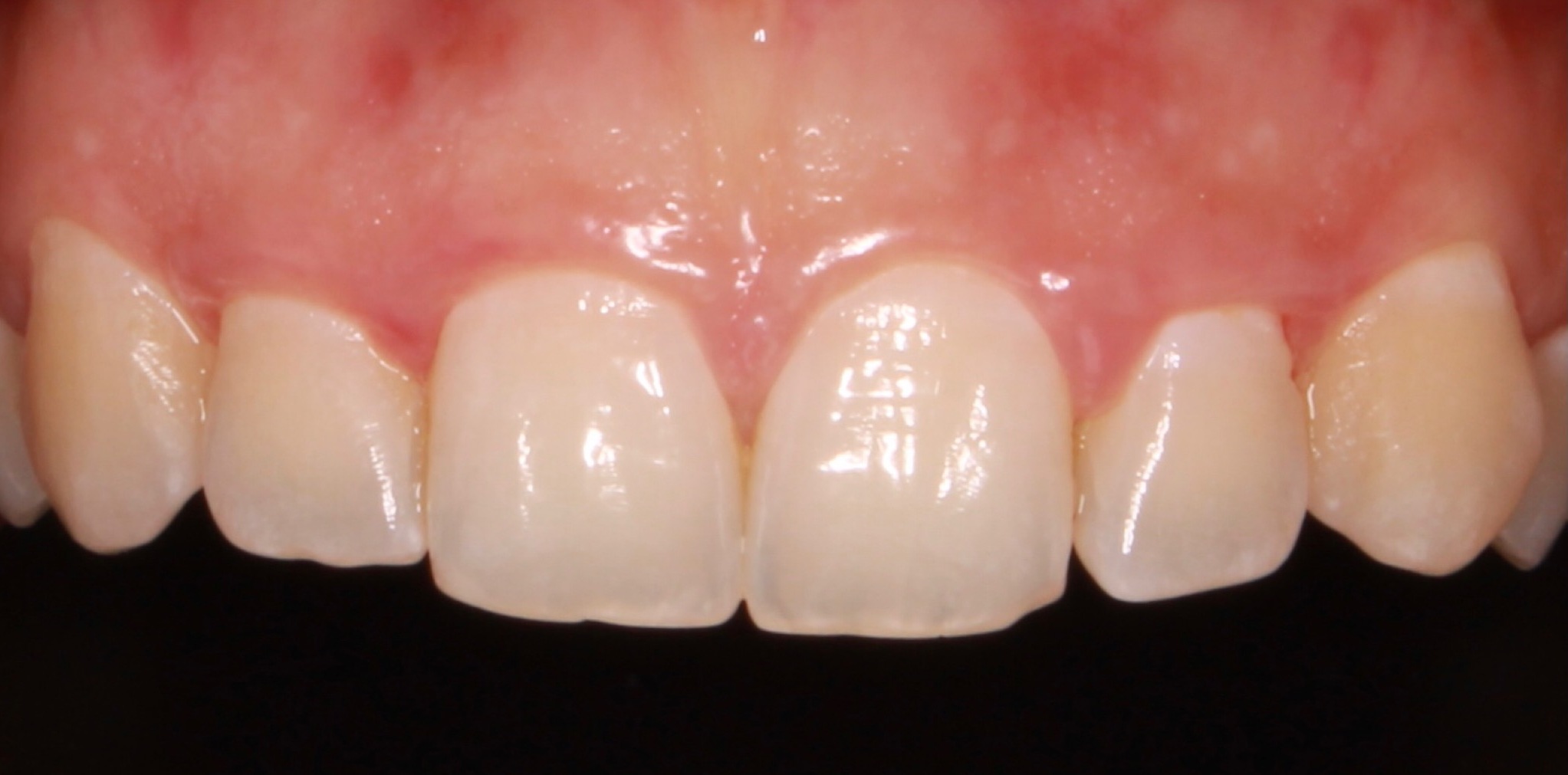
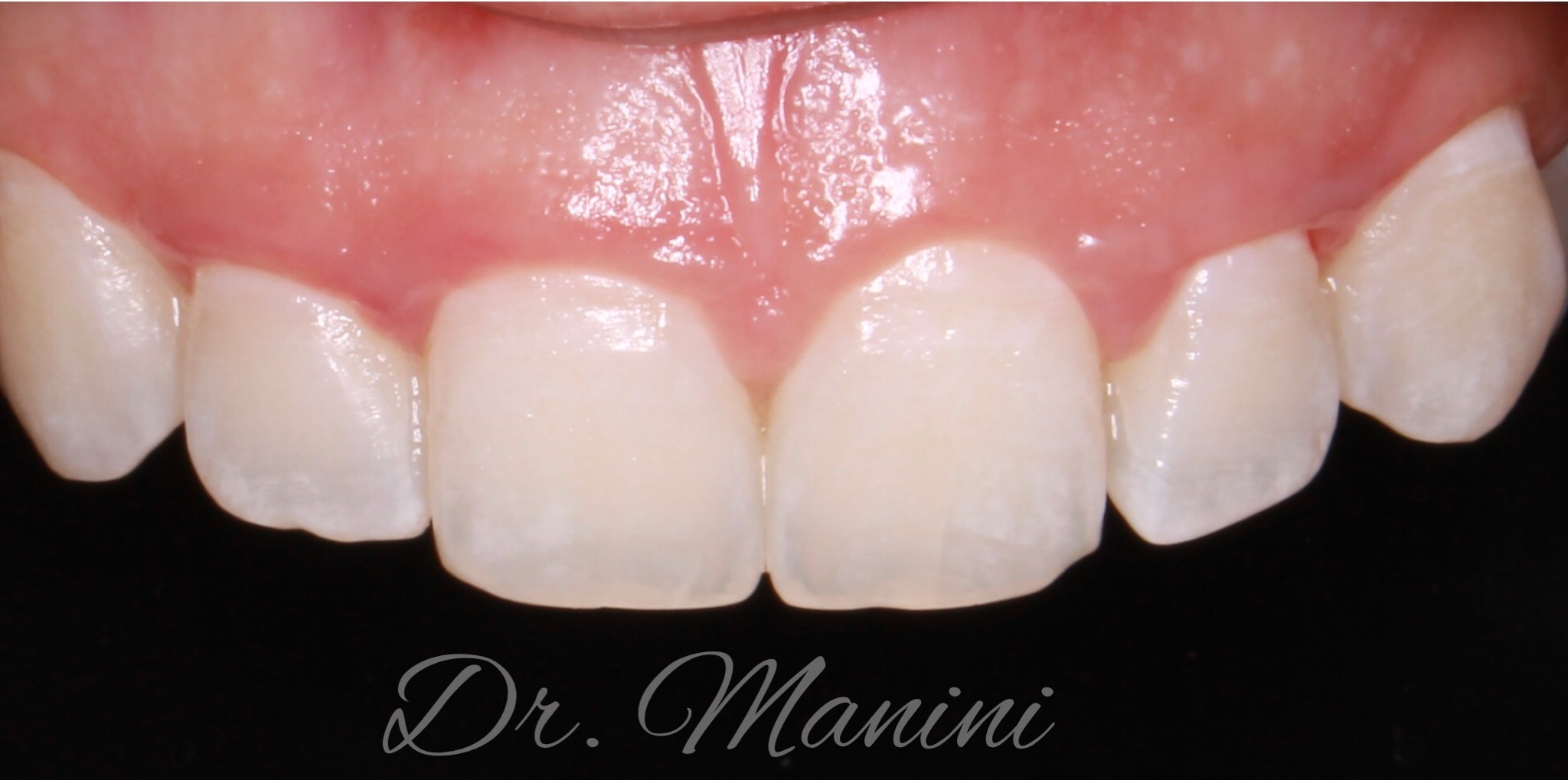
Teeth Whitening
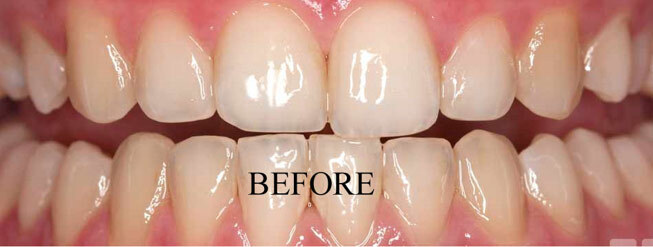
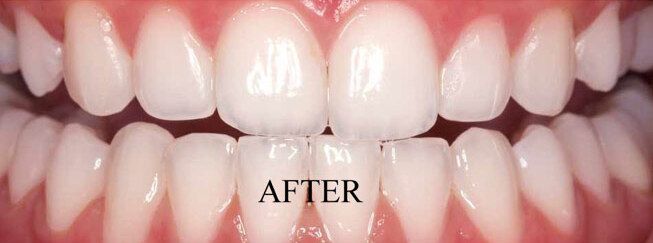
Teeth Whitening
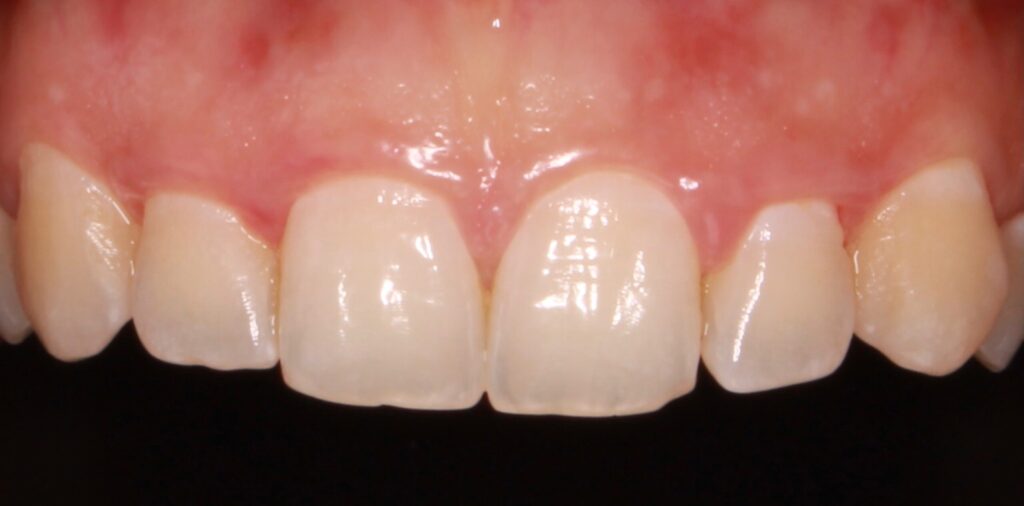
Before
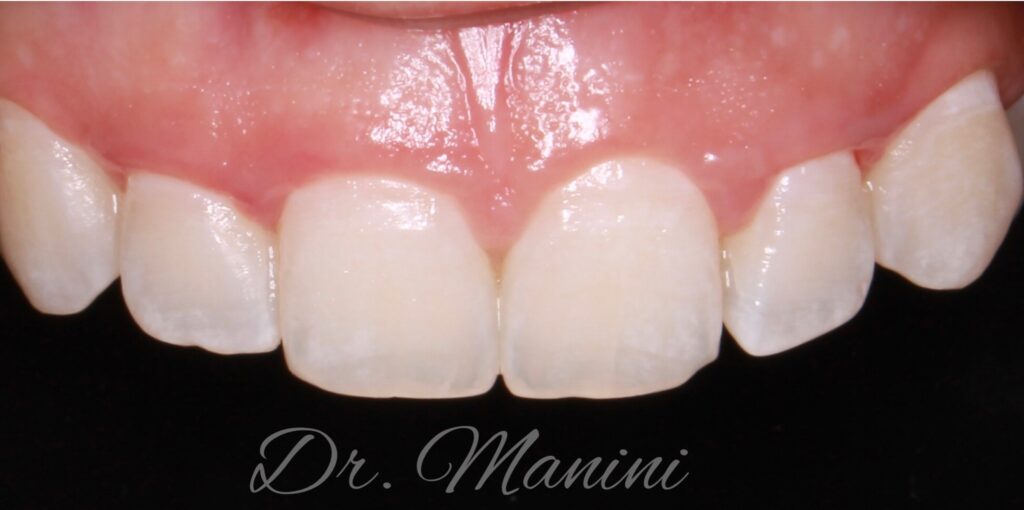
After
Before