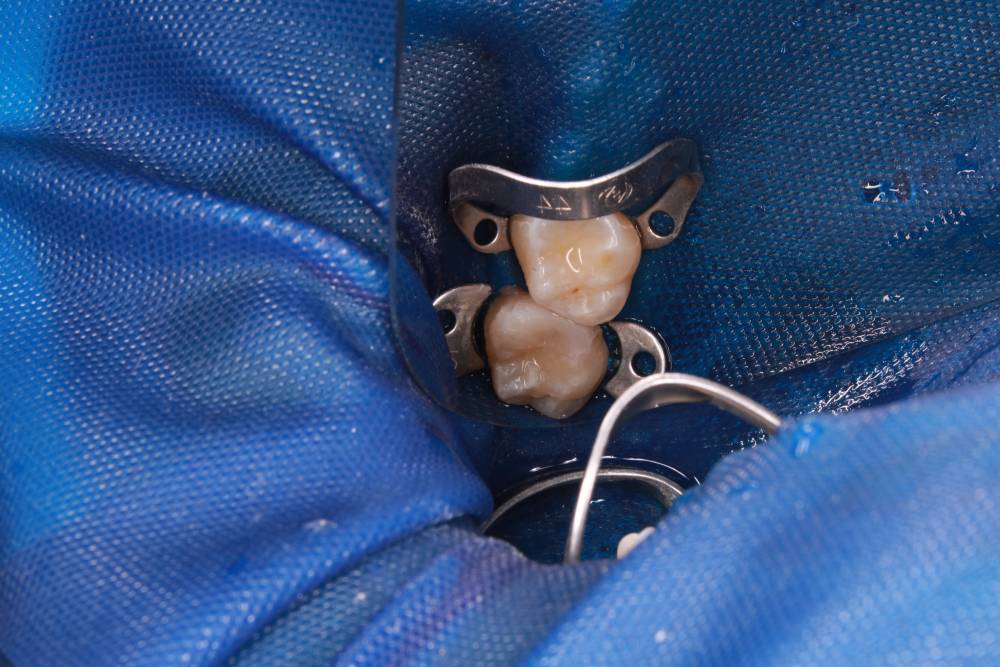
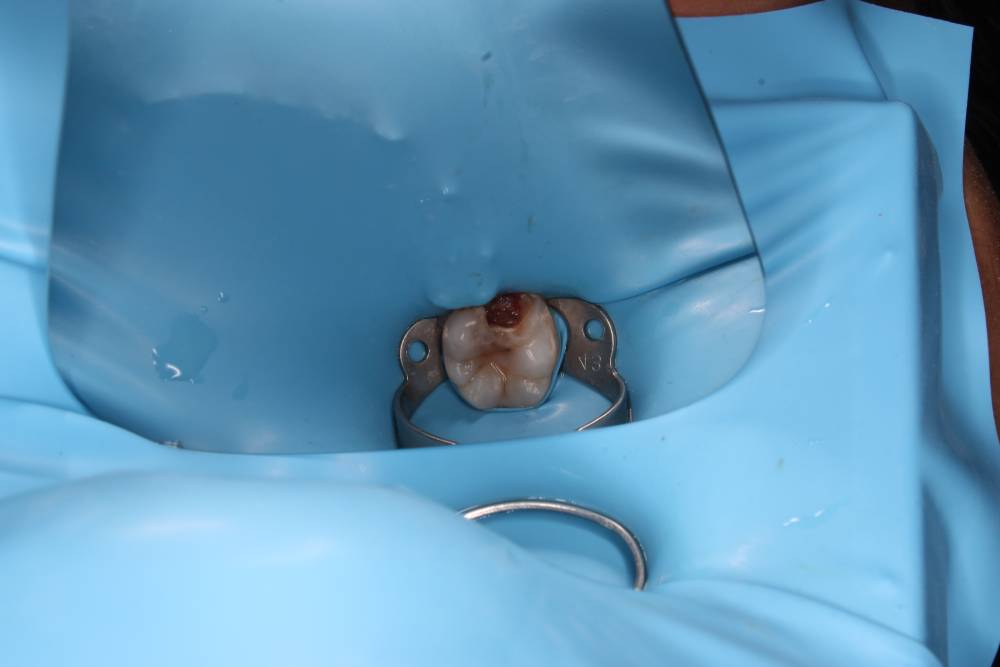
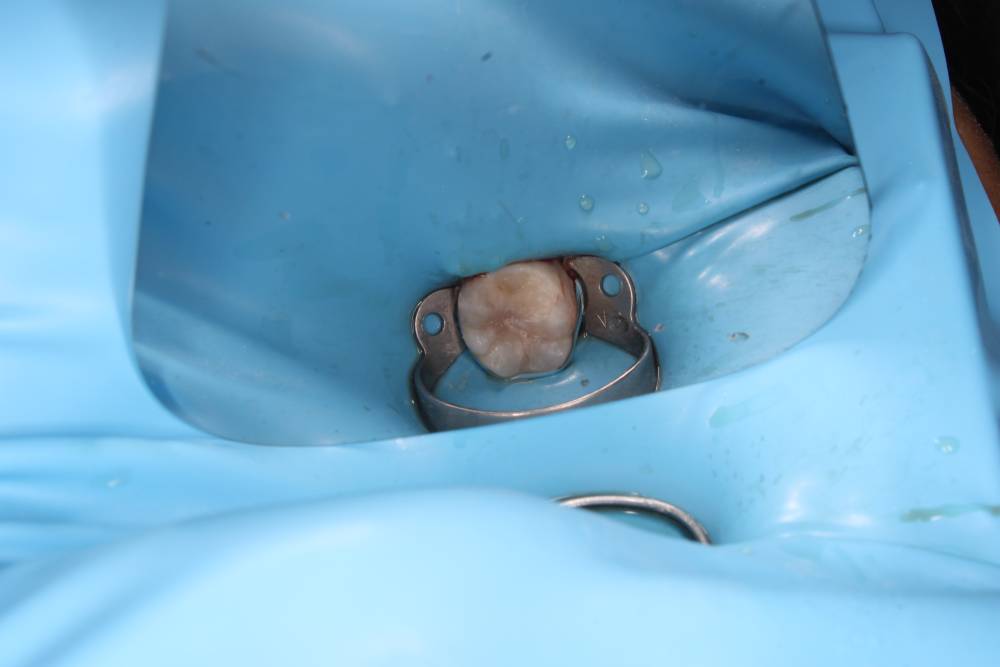
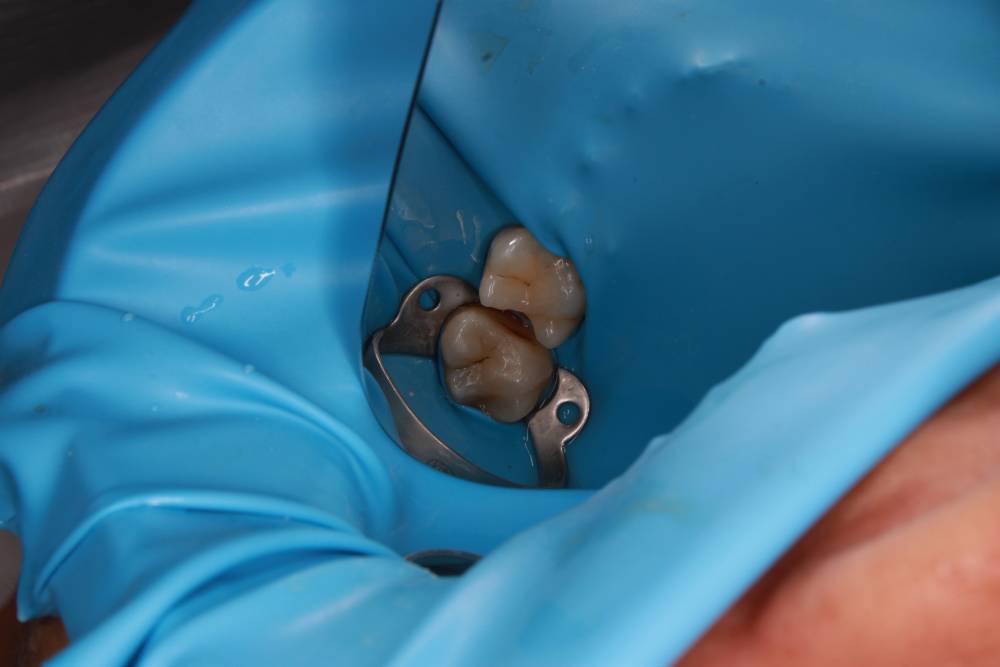
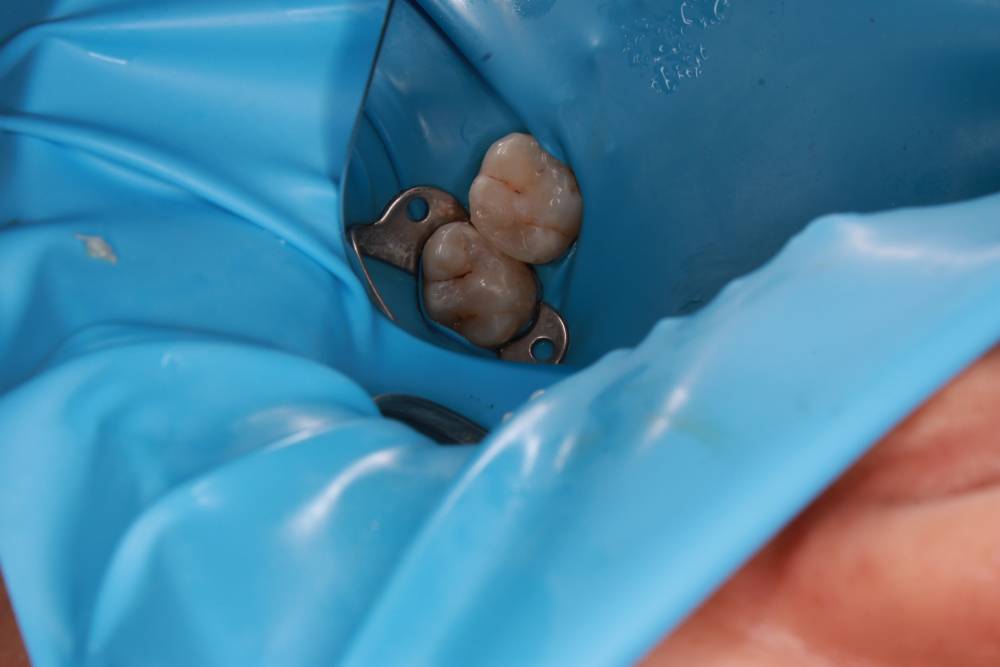
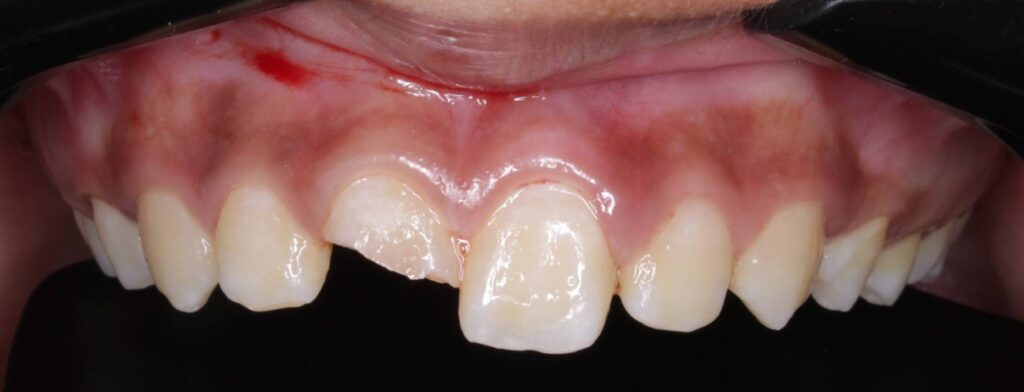
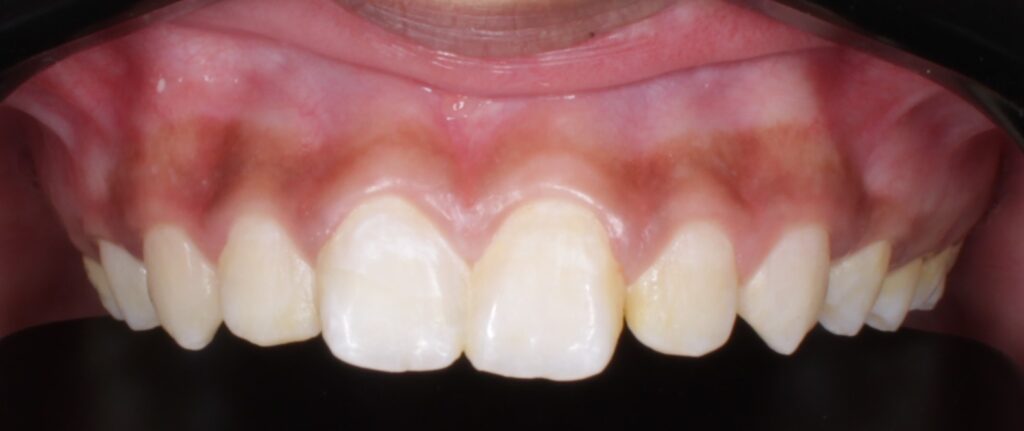
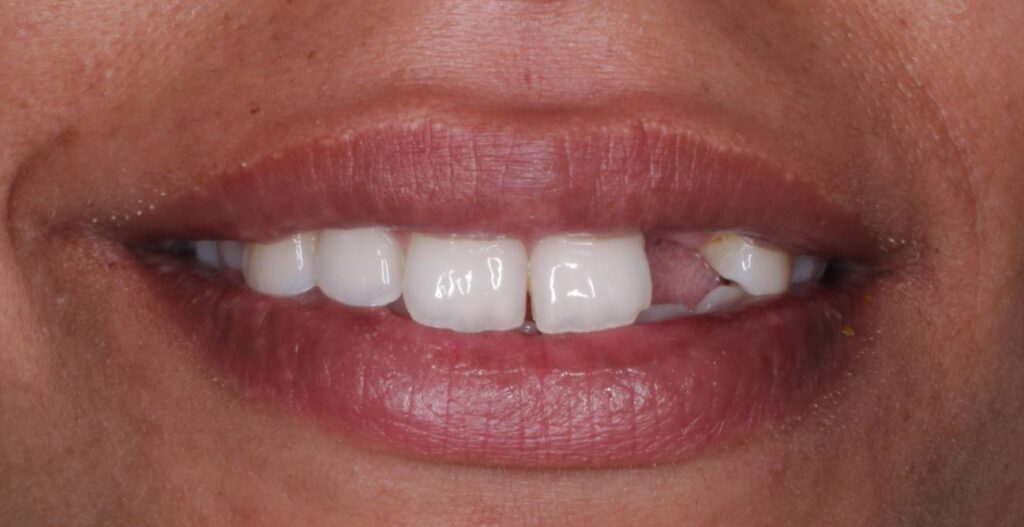
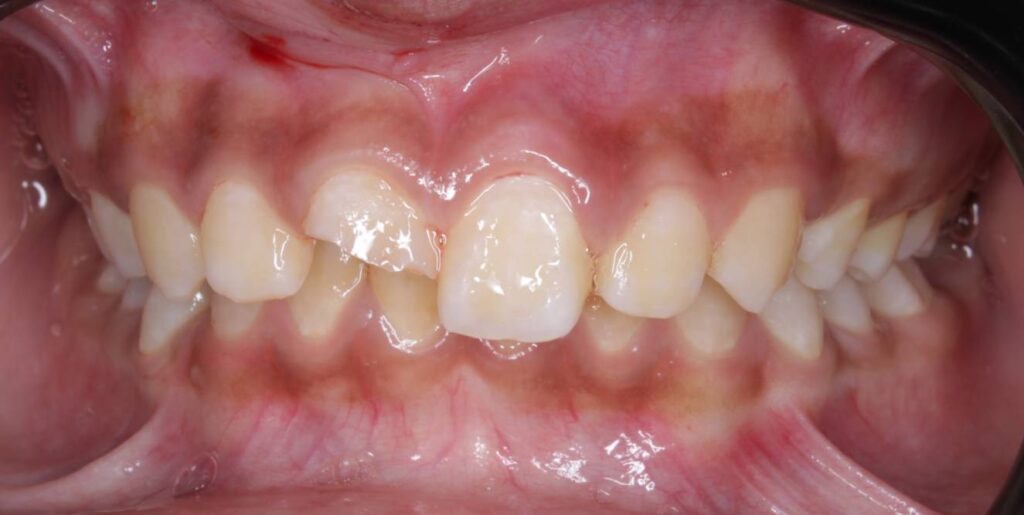
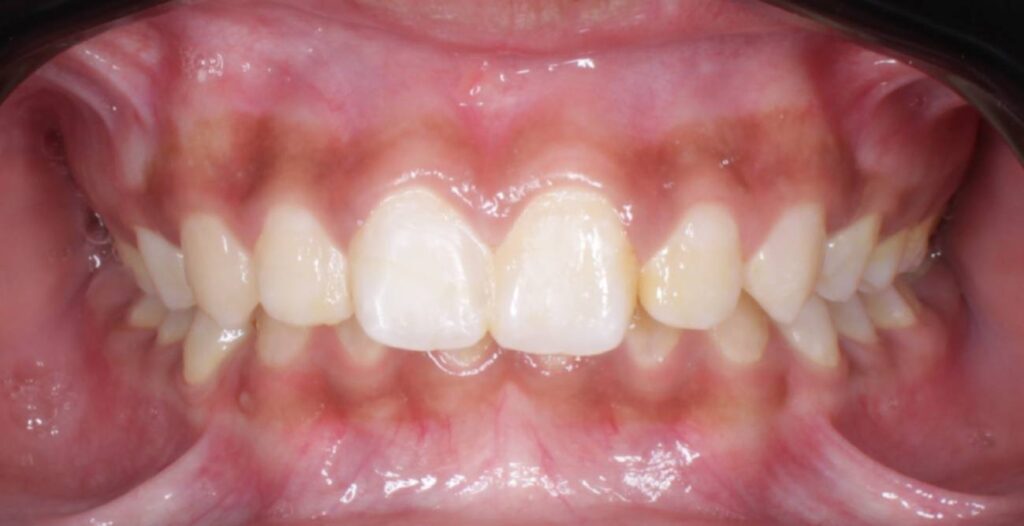
Dental Fillings are one of the most common and effective treatments used to restore a tooth that has been damaged by decay or trauma. When a cavity forms due to tooth decay, it creates a hole in the enamel and dentin of the tooth. If left untreated, this hole can become deeper, causing pain, infection, or tooth loss. Dental Fillings are used to restore the tooth to its normal shape and function, preventing further damage.


The process of getting a dental filling involves removing the decayed portion of the tooth and filling the cavity with a material that hardens to seal the tooth. Fillings can be made from a variety of materials, including silver amalgam, composite resins, gold, or ceramic, each with its own benefits depending on the location of the cavity and the patient’s preferences.

frequently asked questions

What are Dental Fillings?

Dental Fillings are materials used to fill cavities caused by tooth decay. The process involves removing the decayed part of the tooth and filling the space with a material that restores the tooth’s shape and function.

You may need a dental filling if you have a cavity caused by tooth decay, a chipped or cracked tooth, or other damage to a tooth. Fillings restore the tooth’s structure, prevent further decay, and relieve symptoms such as pain or sensitivity.

There are several types of Dental Fillings, each with different characteristics and uses: Amalgam Fillings: Made from a mixture of metals, including silver, mercury, tin, and copper. These fillings are durable, affordable, and are often used for back teeth. Composite Fillings: Made from a resin material that can be matched to the color of your natural teeth. These fillings are ideal for fillings in visible areas. Gold Fillings: A highly durable material often used for larger fillings. Gold fillings require multiple visits to complete and are typically more expensive. Ceramic Fillings: Made from porcelain, these fillings are aesthetic, durable, and are often used for front teeth. They can be more expensive than composite fillings. Glass Ionomer Fillings: These are made from a mixture of acrylic acid and fine glass particles and are often used for fillings in areas that don’t experience heavy chewing pressure, like in children’s teeth or around fillings in teeth that are exposed to saliva.

The procedure for placing a dental filling typically involves the following steps: Numbing the Area: Your dentist will apply a local anesthetic to numb the area around the affected tooth. Removing the Decay: Using a dental drill or laser, the decayed part of the tooth is removed. Cleaning the Cavity: After the decayed tissue is removed, the cavity is cleaned to ensure no bacteria remain. Placing the Filling: The filling material is placed into the cavity and shaped to fit the natural contours of your tooth. Hardening the Filling: If you're getting a composite filling, a special light is used to harden the material. For amalgam or gold fillings, the material is allowed to set naturally. Polishing the Filling: The filling is polished to ensure a smooth, natural look and to prevent any discomfort while chewing.

The procedure typically takes about 30 minutes to an hour, depending on the size and location of the cavity and the type of filling material used. Fillings for smaller cavities usually take less time than those for larger, deeper cavities.

Most people experience minimal discomfort during a filling procedure because the area is numbed with a local anesthetic.

The lifespan of a dental filling depends on the material used and the location of the filling. For example: Composite fillings typically last around 5-10 years. Gold and ceramic fillings are highly durable and can last 10-20 years or more with proper care. Regular dental check-ups are important to monitor the condition of your fillings.

Restores Function: Fillings help restore your tooth's function, allowing you to chew, bite, and speak without discomfort. Prevents Further Decay: Fillings seal the tooth, preventing bacteria from entering and causing further damage. Aesthetic Improvements: Composite and ceramic fillings can blend seamlessly with your natural tooth color, making them ideal for visible teeth. Pain Relief: Dental fillings relieve the pain caused by tooth decay or cavities, allowing you to enjoy normal activities without discomfort.

To ensure the longevity of your fillings: Practice good oral hygiene: Brush and floss regularly, and avoid sugary foods that can promote decay. Avoid chewing hard foods: Hard candies, ice, or other hard foods can crack or damage fillings, especially if they are made of composite material. Regular dental check-ups: Your dentist will monitor your fillings and check for any signs of wear or decay around the edges.

Yes, fillings can be placed on baby teeth if there is decay. However, because baby teeth eventually fall out, the approach may differ slightly. A more temporary material might be used, and if the cavity is in a non-functional area, the dentist may choose to monitor it instead.

If you don’t get a filling for a cavity, the decay can continue to spread, causing more damage to the tooth and leading to further complications like infection, tooth abscesses, and even tooth loss. The sooner you address a cavity, the less invasive and more affordable the treatment will be.

Conclusion

Dental fillings are a quick, effective, and common solution for treating cavities and restoring the function and appearance of your teeth. With various materials available, you can work with your dentist to choose the best option for your needs and preferences. If you experience symptoms of tooth decay, such as pain or sensitivity, it’s important to schedule an appointment as soon as possible to prevent further damage and avoid more complex dental procedures.

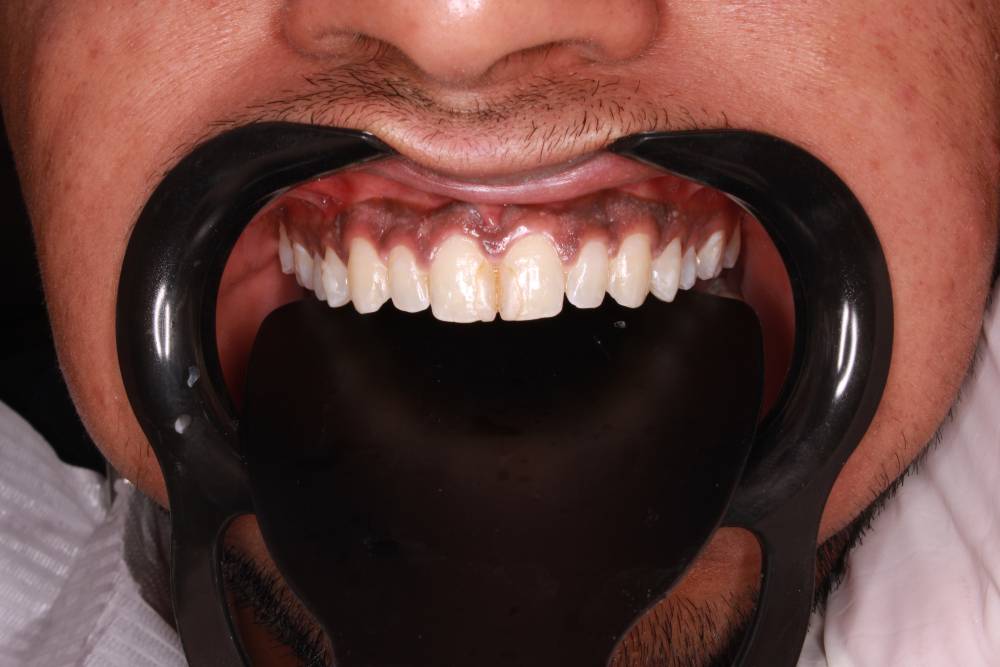
Gallery

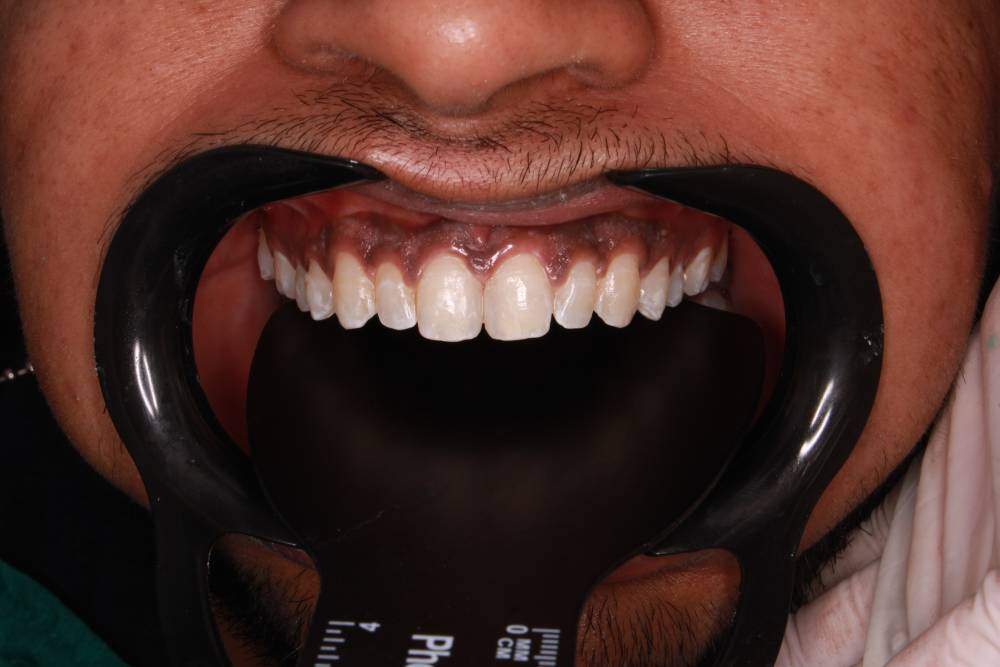
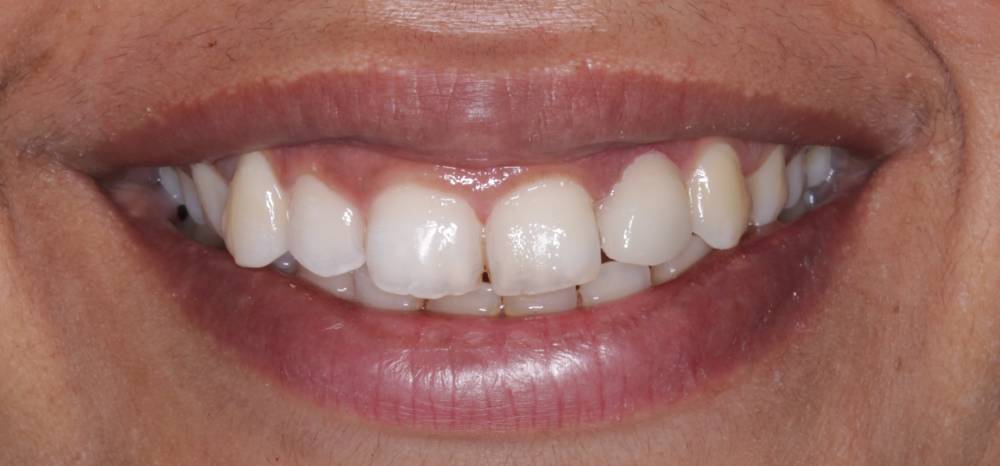
Tooth Colored Filling

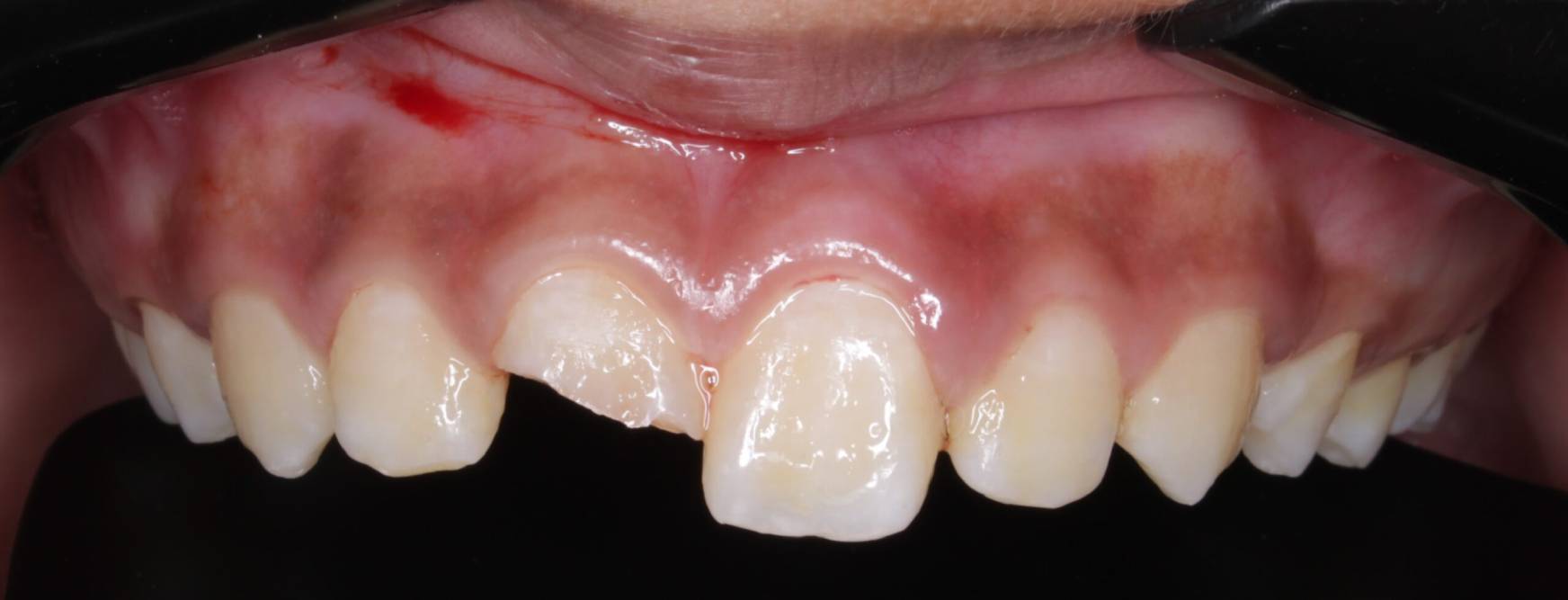
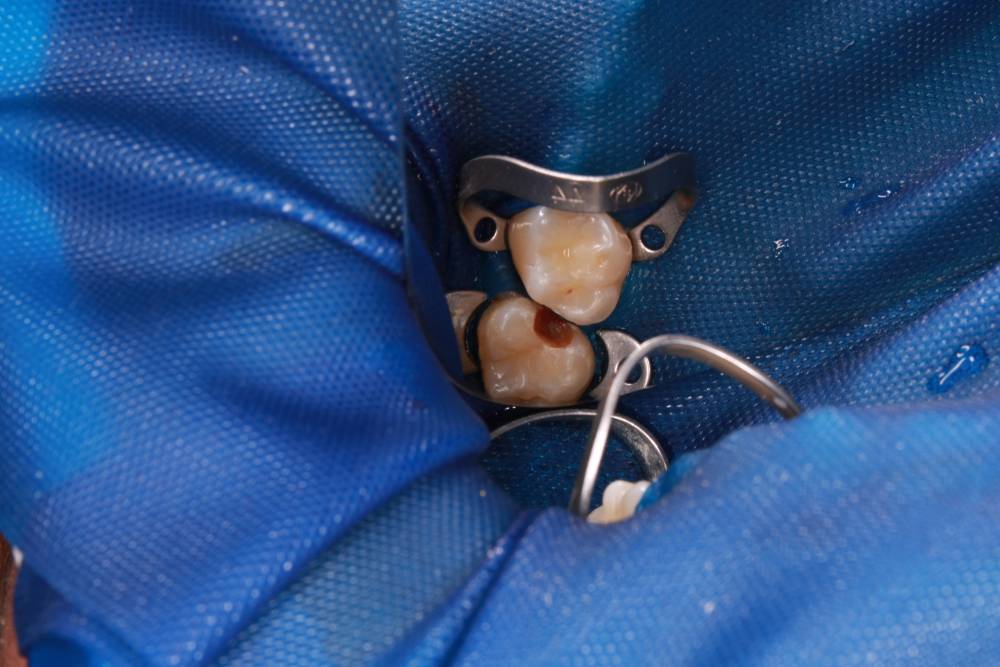
Tooth Colored Filling

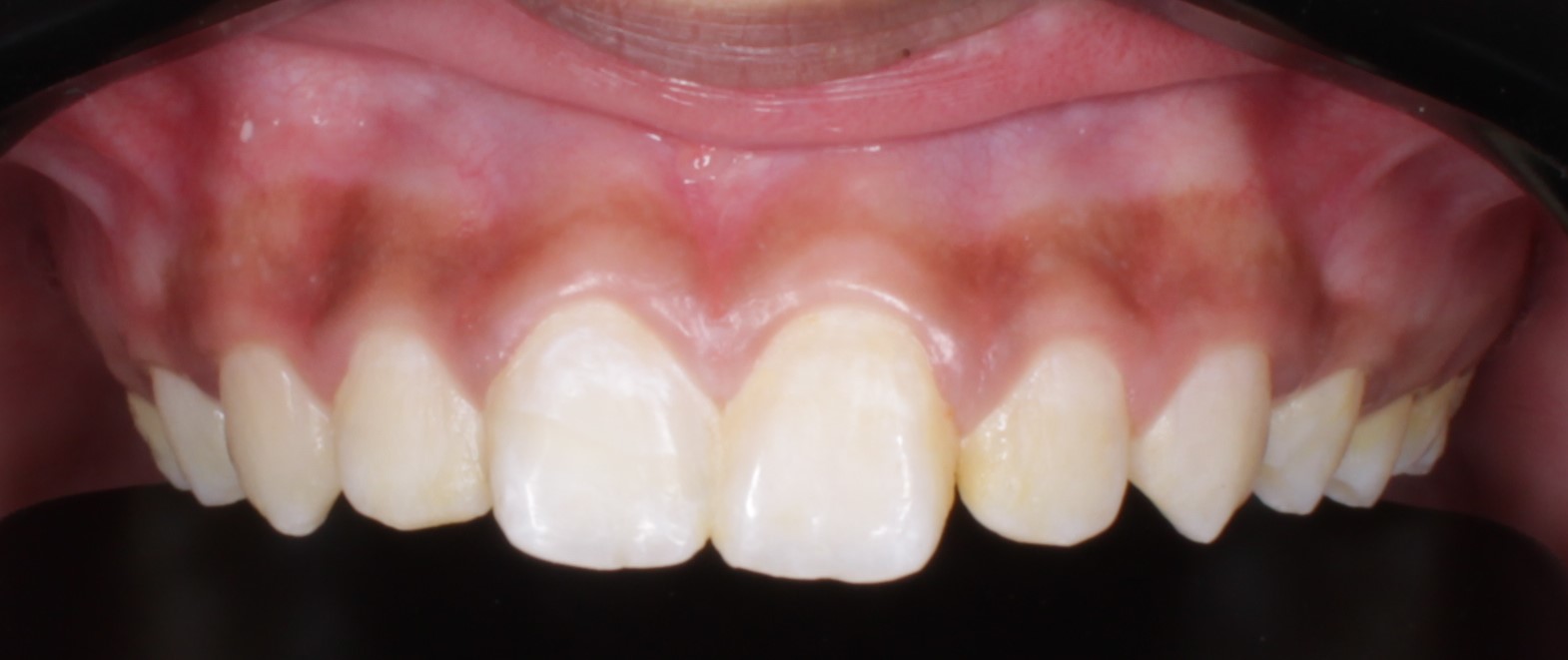
Tooth Colored Filling

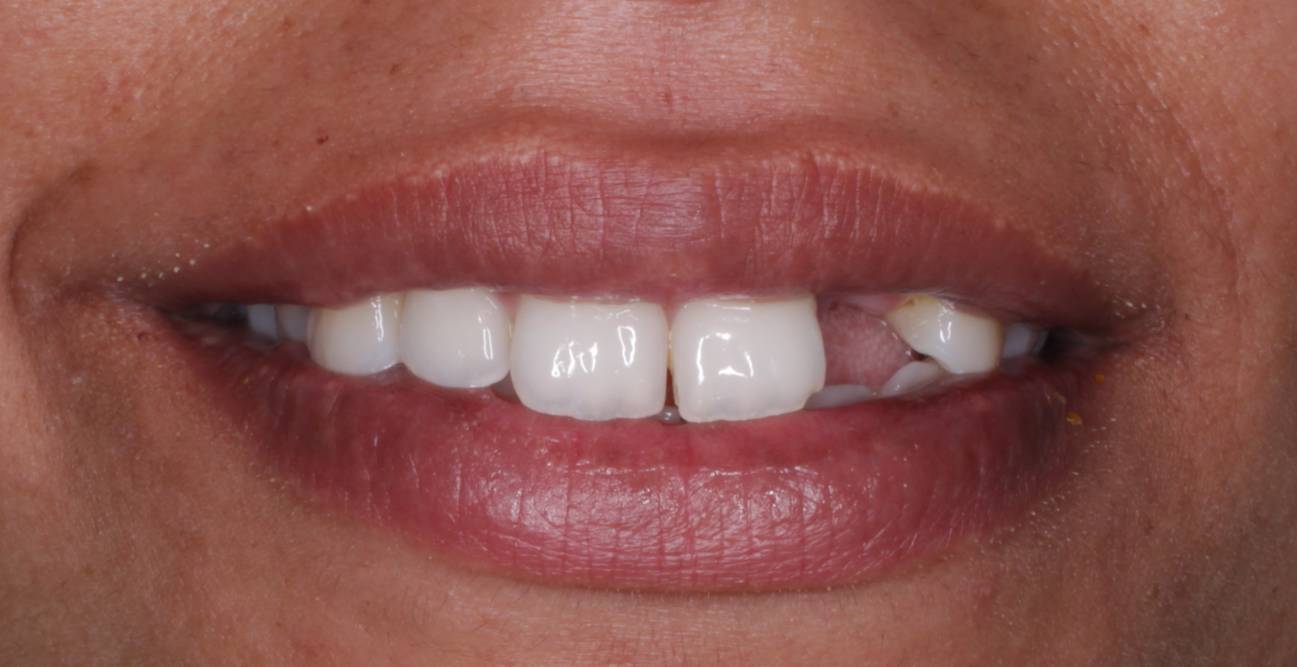
Tooth Colored Filling

Tooth Colored Filling

Tooth Colored Filling

Tooth Colored Filling

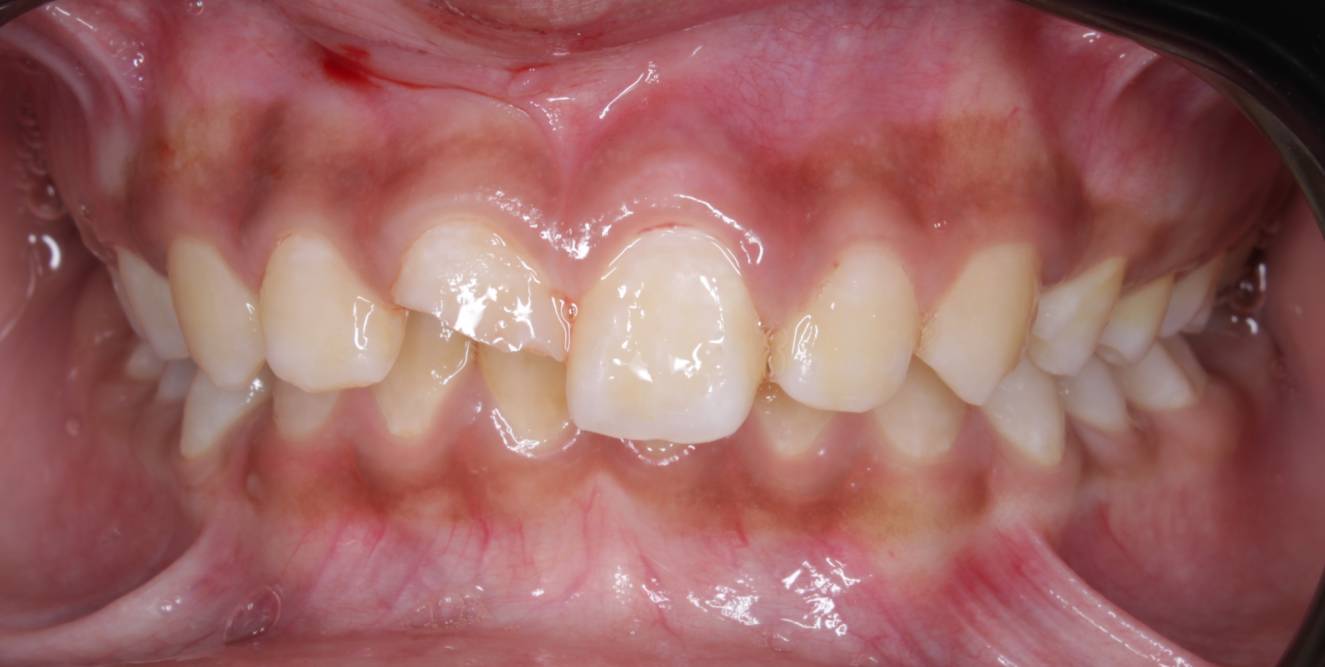
Before

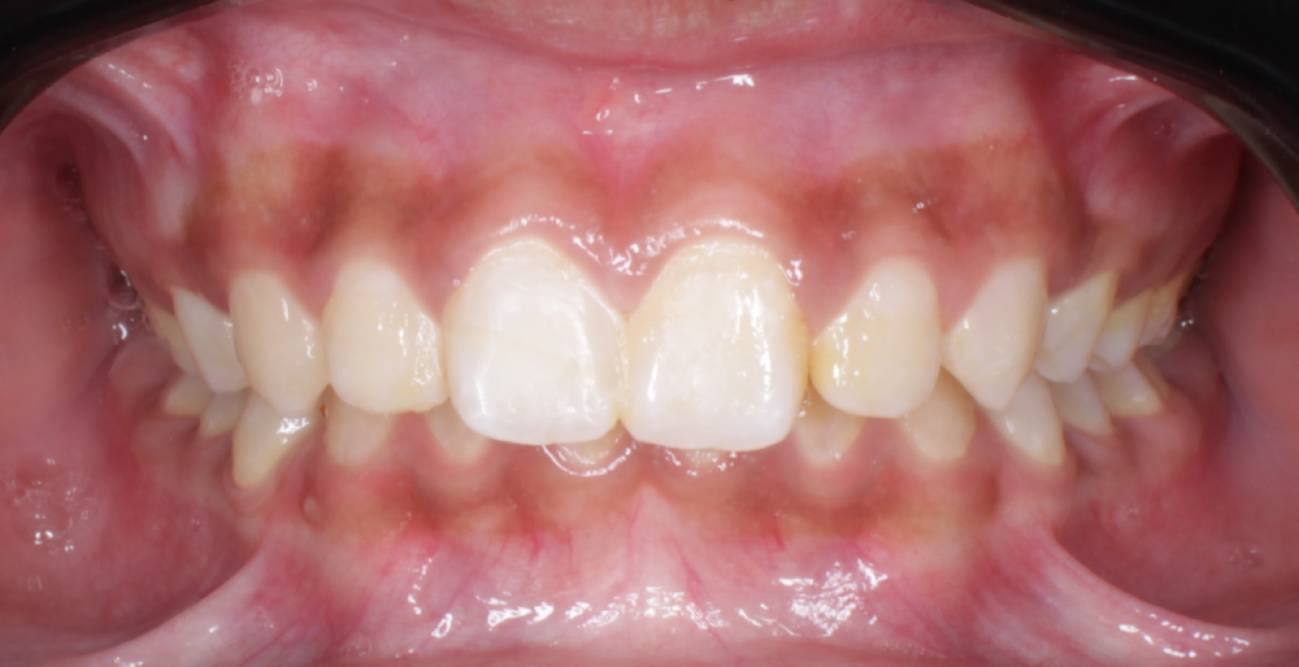
After

Before

After

Before

After

Before

After

Before

After

Before

After

Before

After

Before

After